
What is Yin Yoga?
Yin Yoga is a slow-paced, floor-based static yoga practice founded by American yoga teacher Paul Grilley in 1979. It integrates Hatha Yoga from India, Traditional Chinese Medicine meridian theory, Taoist yin-yang philosophy, and modern anatomy.
Key Features
Maintain posture:3–5 minutes (Beginners: 1–2 minutes)
Passive relaxationNo pressure; gently press using your body weight.
Target: Deep Connective Tissue (Ligaments, Fascia, Joint Capsules) and Meridians
Difference from Yang Yoga
Compare | Yang Yoga (Flow Yoga/Ashtanga) | Yin Yoga |
|---|---|---|
Rhythm | Feed | Static |
Power up | Proactive effort | Passive Relaxation |
Goal | Build Muscle, Boost Energy | Nourish fascia, stabilize nerves, promote repair |
Key Benefits
1. Deep Flexibility
Gently open stiff joints in the shoulders, hips, and spine; relieve hunched posture from prolonged sitting and pelvic tightness.
2. Nerve Decompression
Activate the parasympathetic nervous system, lower cortisol, and relieve anxiety, insomnia, and mood swings.
3. Meridian Unblocking
According to Traditional Chinese Medicine, each posture corresponds to one of the twelve meridians, helping to unblock qi and blood flow while nourishing the internal organs—especially the liver, gallbladder, spleen, stomach, and kidney.
4. Women-Friendly
Gentle and non-depleting; soothes menstrual pain, cold uterus, period discomfort, and regulates hormones.
5. Fascia Repair
Promotes fascia hydration and elasticity recovery to relieve chronic pain (shoulder/neck, lower back).
Classic Yin Yoga 26 Poses
1. Dragon Pose
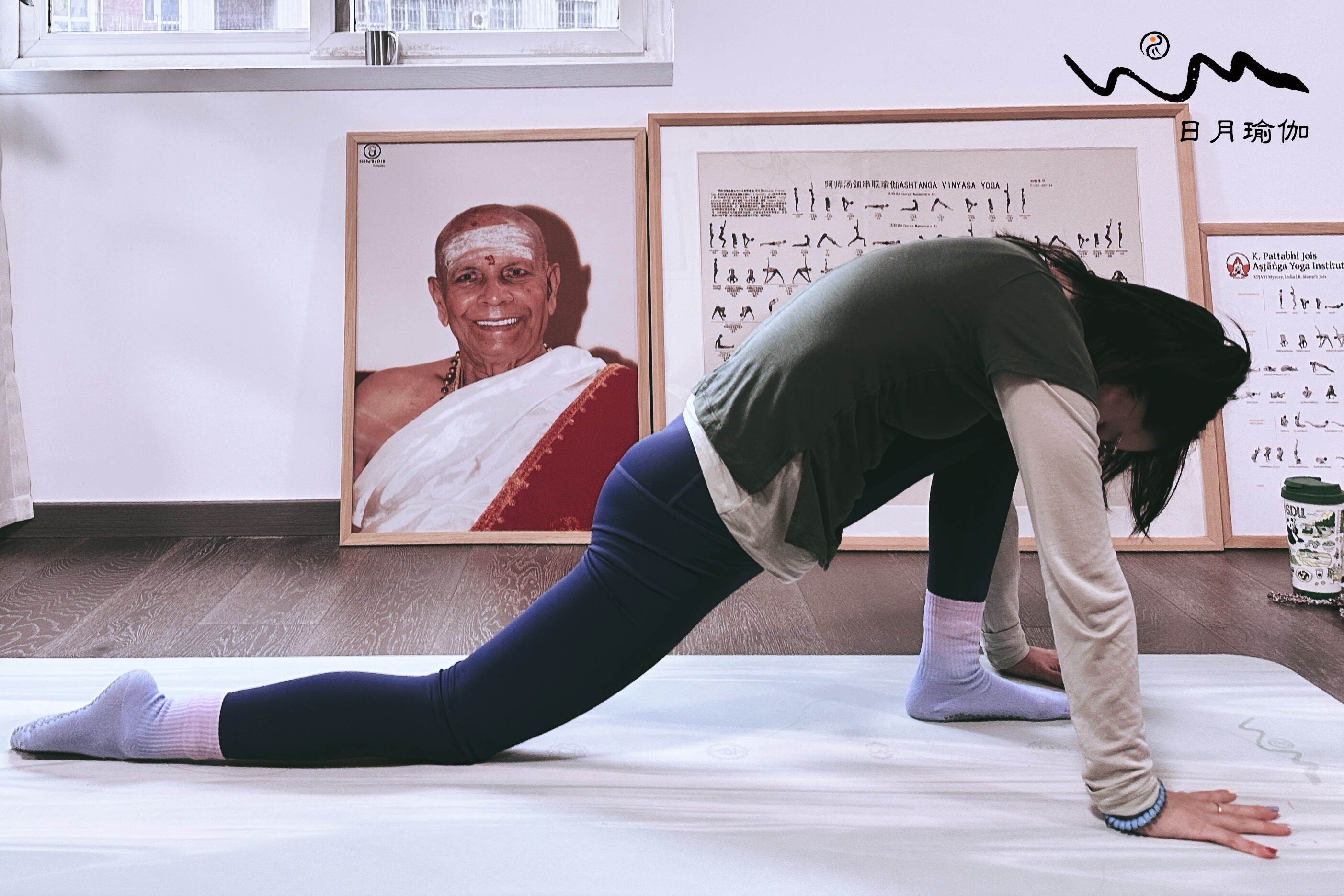
Key Practice PointsFront knee bent with foot flat on the ground, back leg straight with the top of the foot pressed to the floor. Keep the pelvis centered and sink down. The upper body can be upright or leaned forward. Maintain relaxed muscles throughout, passively sinking the hips without arching the lower back or locking the knees.
Maintain duration: 3–5 minutes on each side
Stretching Areailiopsoas, front of thigh, groin, front of hip
Clear meridiansSpleen Meridian, Stomach Meridian, Liver Meridian
BenefitsDeep hip opening to correct anterior pelvic tilt, release lower limb stagnation, and boost qi and blood circulation in the lower body.
Eliminate negative emotionsImpatient, suppressed, controlling, tense
2. Hanging Pose (Uttanasana)
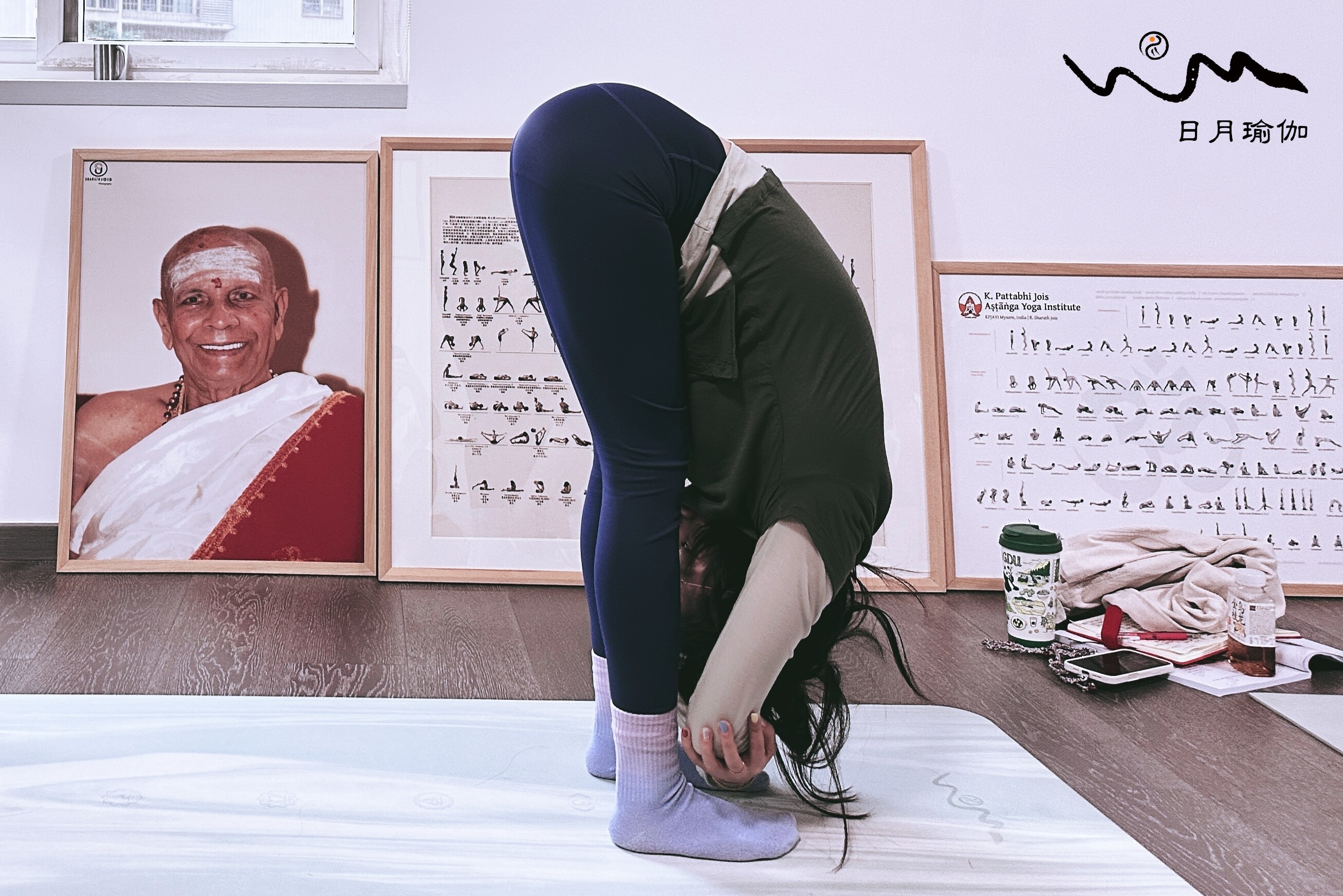
Key Practice PointsStand with feet shoulder-width apart, knees slightly bent. Hinge at the hips and let your torso hang naturally. Relax your head, neck, and arms completely; do not reach for your feet or force your back down.
Maintain duration:2–3 minutes
Stretching Areaentire spine, back fascia, hamstrings, and neck/shoulders
Clear meridians: Bladder Meridian, Governor Vessel
BenefitsRelax the entire posterior chain, relieve stress and calm the mind, ease spinal stiffness, and soothe the nervous system.
Eliminate negative emotionsAnxiety, overthinking, mental tension, insomnia, and irritability
3. Malasana (Squat)
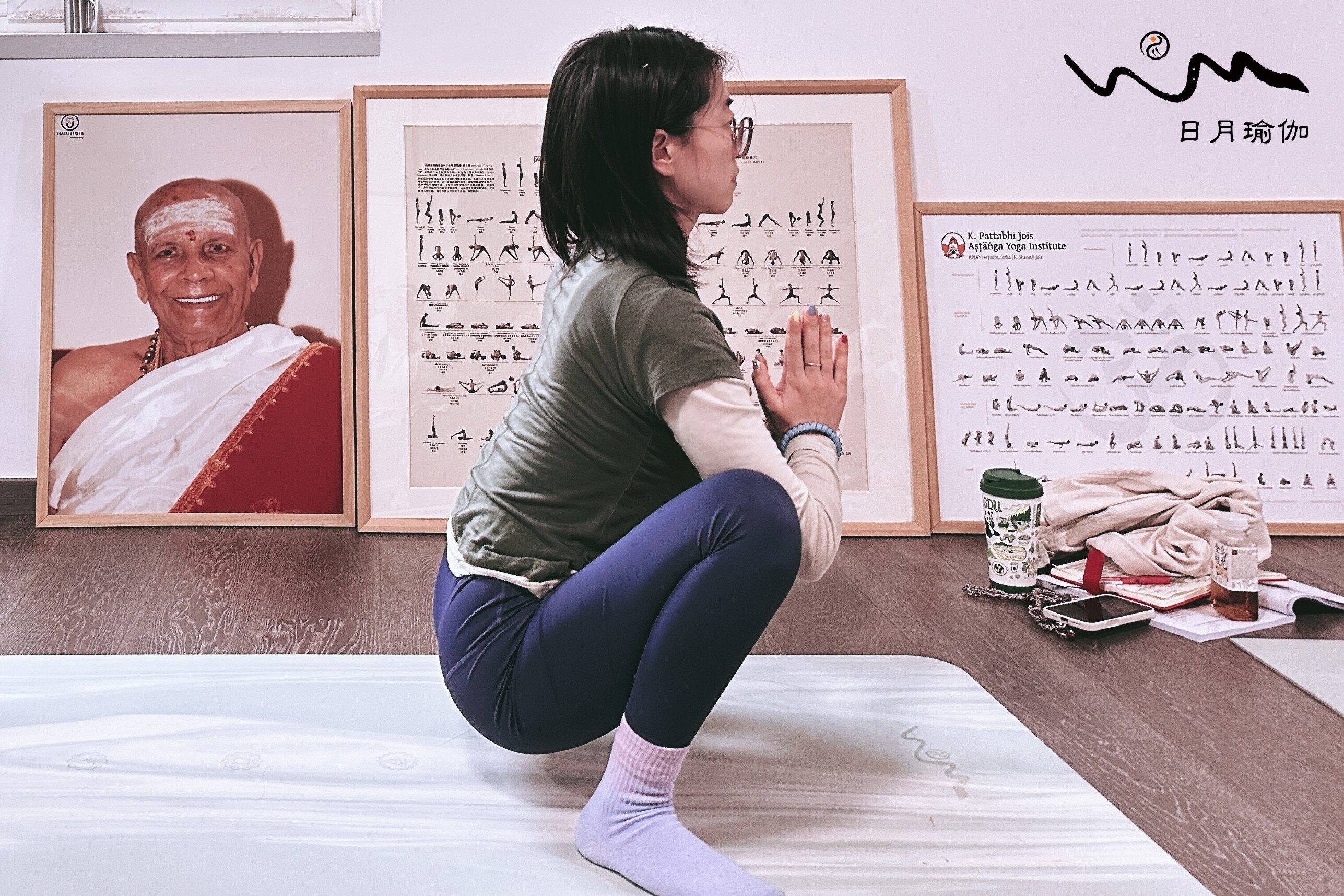
Key Practice Points: Wide-stance squat; place blocks under heels if needed. Press elbows against inner knees, keep the spine naturally relaxed (no need to force it straight), and let your body sink passively.
Maintain duration:2–3 minutes
Stretching Area: ankle, sole of the foot, inner hip, perineum, inner thigh
Clear meridiansLiver Meridian, Kidney Meridian, Spleen Meridian
BenefitsOpen the ankles and hip bases, strengthen the foundation, clear the lower jiao, and regulate uterine cold and qi deficiency.
Eliminate negative emotionsinsecure, timid, withdrawn, and lacking initiative
4. Caterpillar Pose (Paschimottanasana)
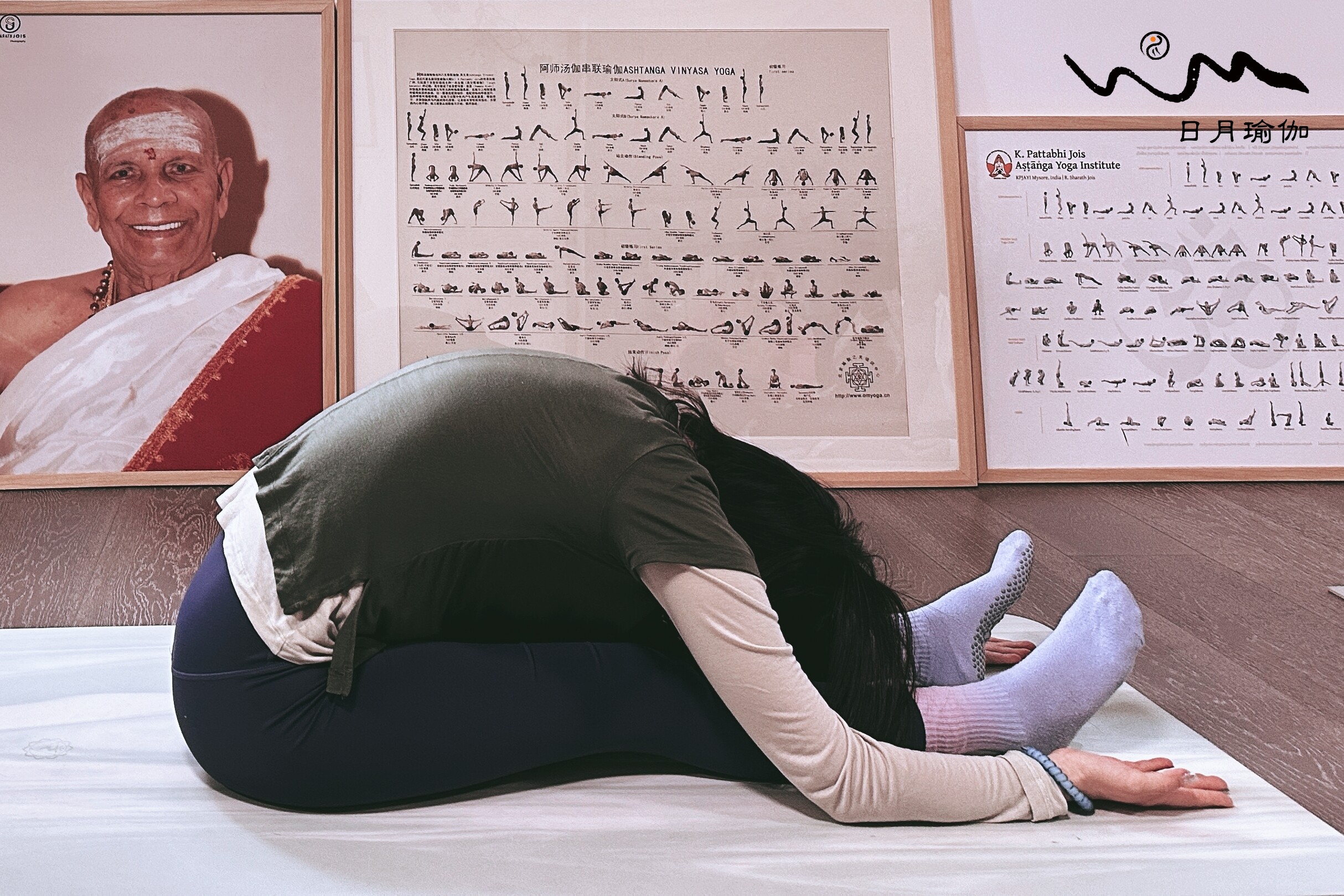
Key Practice PointsStraighten and press legs together; arch the upper body forward naturally into a relaxed, fully passive position. Do not force the back straight or intentionally stretch.
Maintain duration:3–5 minutes
Stretching Area: lower back, buttocks, back of thighs, back of calves
Clear meridians: Bladder Meridian, Kidney Meridian
BenefitsCalms the mind, soothes lower back strain, supports kidney energy, and releases tension throughout the entire back fascia.
Eliminate negative emotionsAnxiety, suspicion, physical and mental exhaustion, accumulated stress
5. Half Head-to-Knee Pose (Janu Sirsasana)
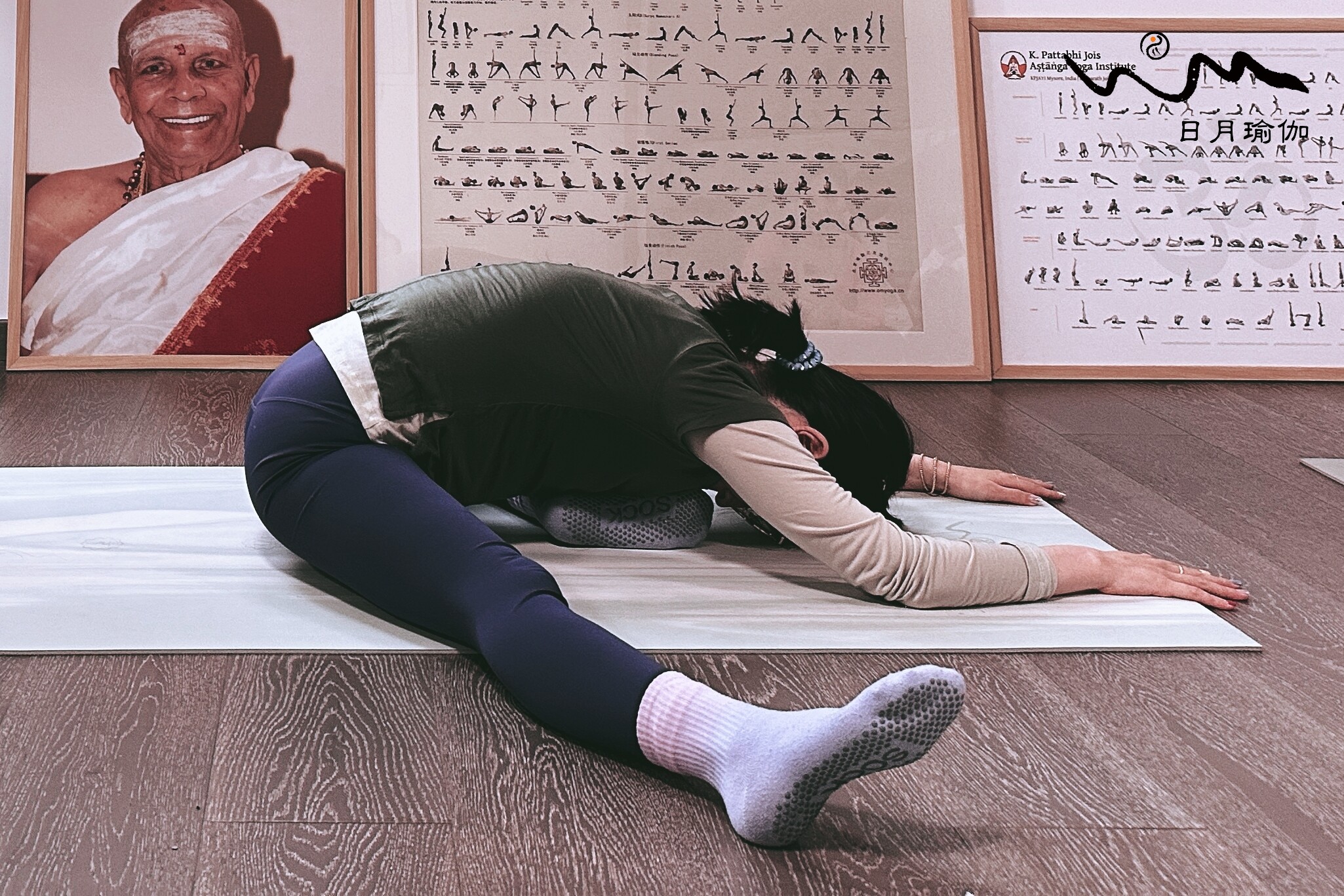
Key Practice PointsExtend one leg, place the sole of the other foot against the inner thigh, relax the pelvis, and lean forward naturally. Allow the chest to round and the back to arch; do not tense up.
Maintain duration: 3–4 minutes on each side
Stretching Area: unilateral inner hip, lower back, and posterior thigh
Clear meridiansLiver Meridian, Gallbladder Meridian, Bladder Meridian
BenefitsUnilateral hip meridian release to balance pelvic alignment and relieve one-sided lower back pain.
Eliminate negative emotionsoverthinking, internal conflict, stubbornness, emotional imbalance
6. Butterfly Pose (Baddha Konasana)
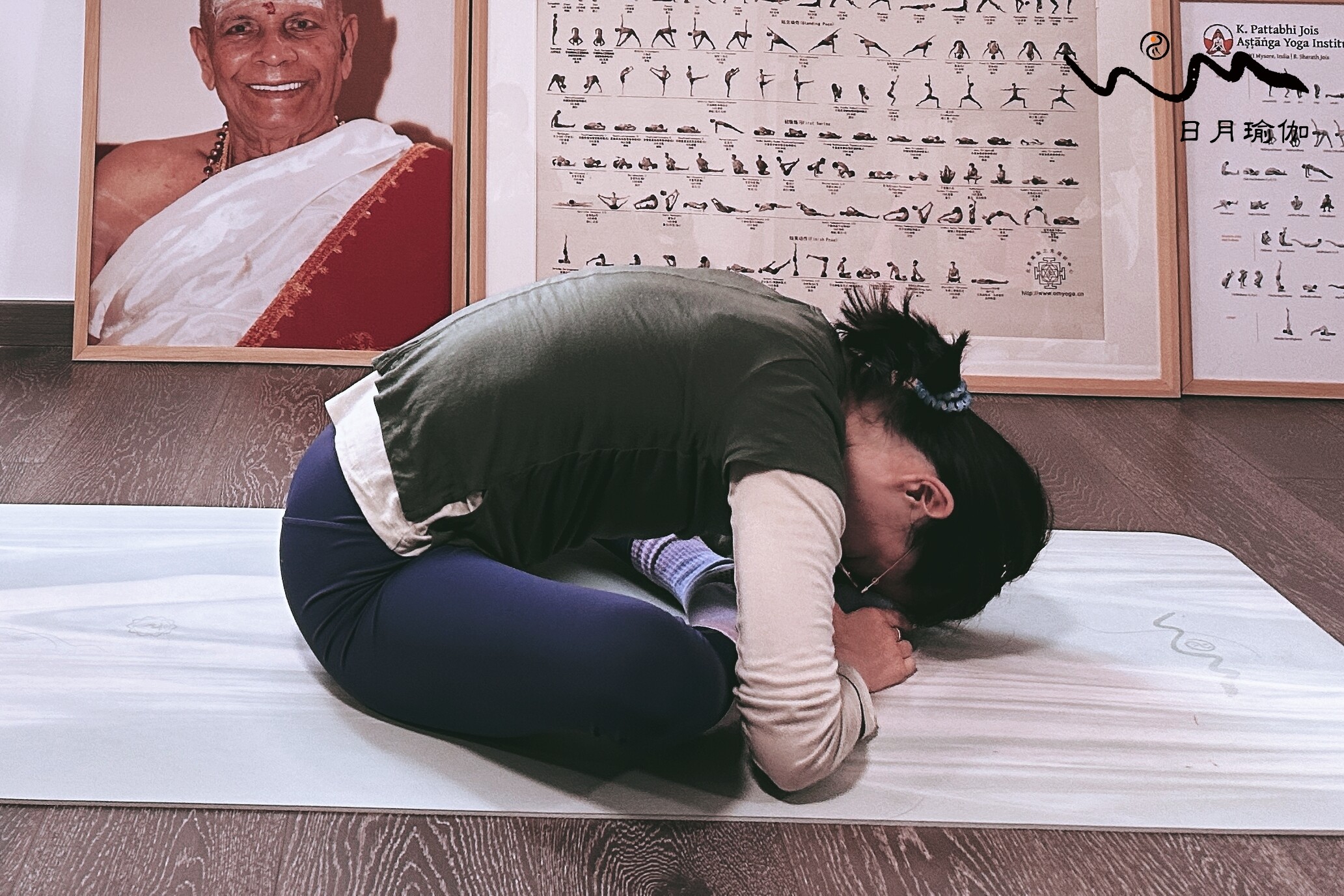
Key Practice PointsSit with the soles of your feet together and heels close to the groin. Let your knees drop naturally without using external force; relax completely under your own weight.
Maintain duration:3–5 minutes
Stretching Area: inner hip, groin, pelvic floor muscles
Clear meridiansLiver Meridian, Gallbladder Meridian, Kidney Meridian
Benefits: Regulate gynecological health, unblock the liver and gallbladder, relieve menstrual discomfort, and release emotional tension.
Eliminate negative emotions: depressed, aggrieved, irritable, emotionally stifled
7. Wide-Angle Seated Forward Bend (Upavistha Konasana)
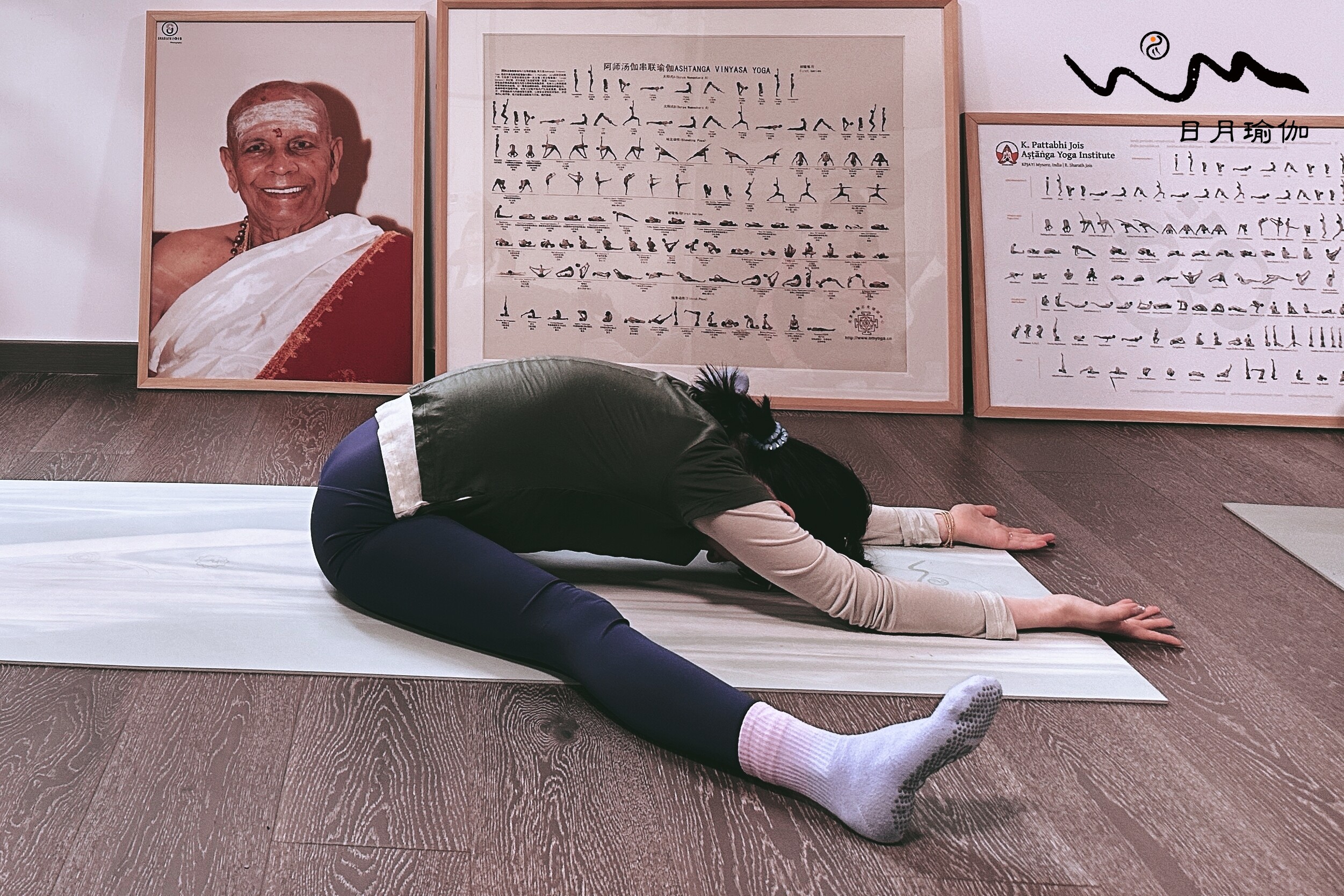
Key Practice PointsSpread legs wide, toes pointed back, elbows on the floor, slowly lean torso forward, pelvis grounded, descend passively throughout.
Maintain duration:3–5 minutes
Stretching Area: inner thigh, groin, deep pelvic floor fascia
Clear meridians: Liver Meridian, Spleen Meridian, Stomach Meridian
Benefits: Deep hip opening for detoxification, promoting pelvic blood circulation and reducing lower limb edema
Eliminate negative emotionsoppressive, sensitive, overthinker, burdened with heavy thoughts
8. Pigeon Pose (Eka Pada Rajakapotasana)
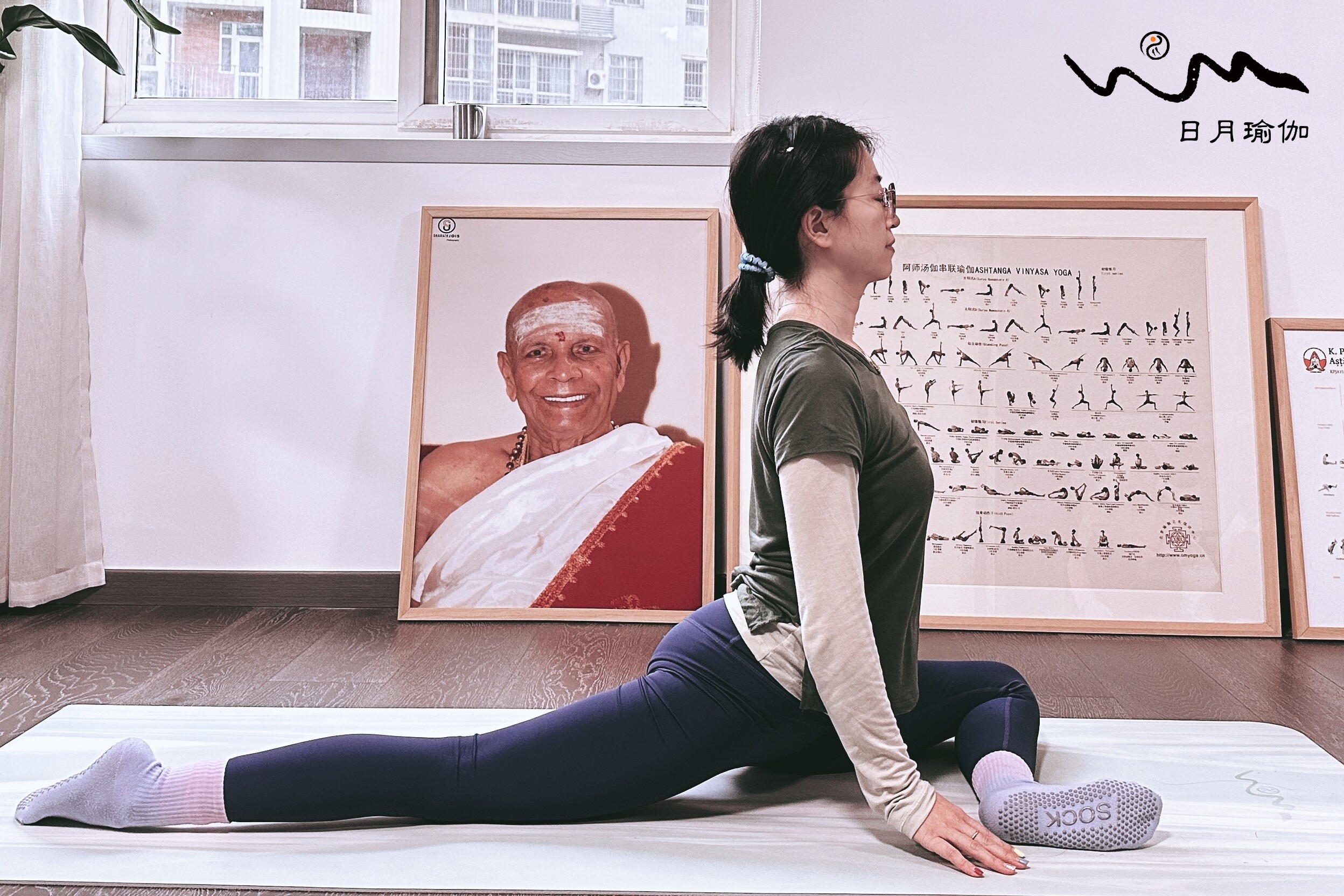
Key Practice PointsKneel on one leg with the front shin horizontal and the back leg extended, toes flat on the floor. Keep your torso upright, pelvis neutral, and shoulders relaxed without shrugging.
Maintain duration: 3–4 minutes on each side
Stretching Areaglutes, piriformis, outer hip, sacroiliac joint
Clear meridians: Gallbladder Meridian, Bladder Meridian
BenefitsRelease tight glutes from prolonged sitting, improve wide hip appearance, and relieve sciatic nerve discomfort.
Eliminate negative emotionsfrustration, resentment, emotional burden, interpersonal drain
9. Sleeping Swan Pose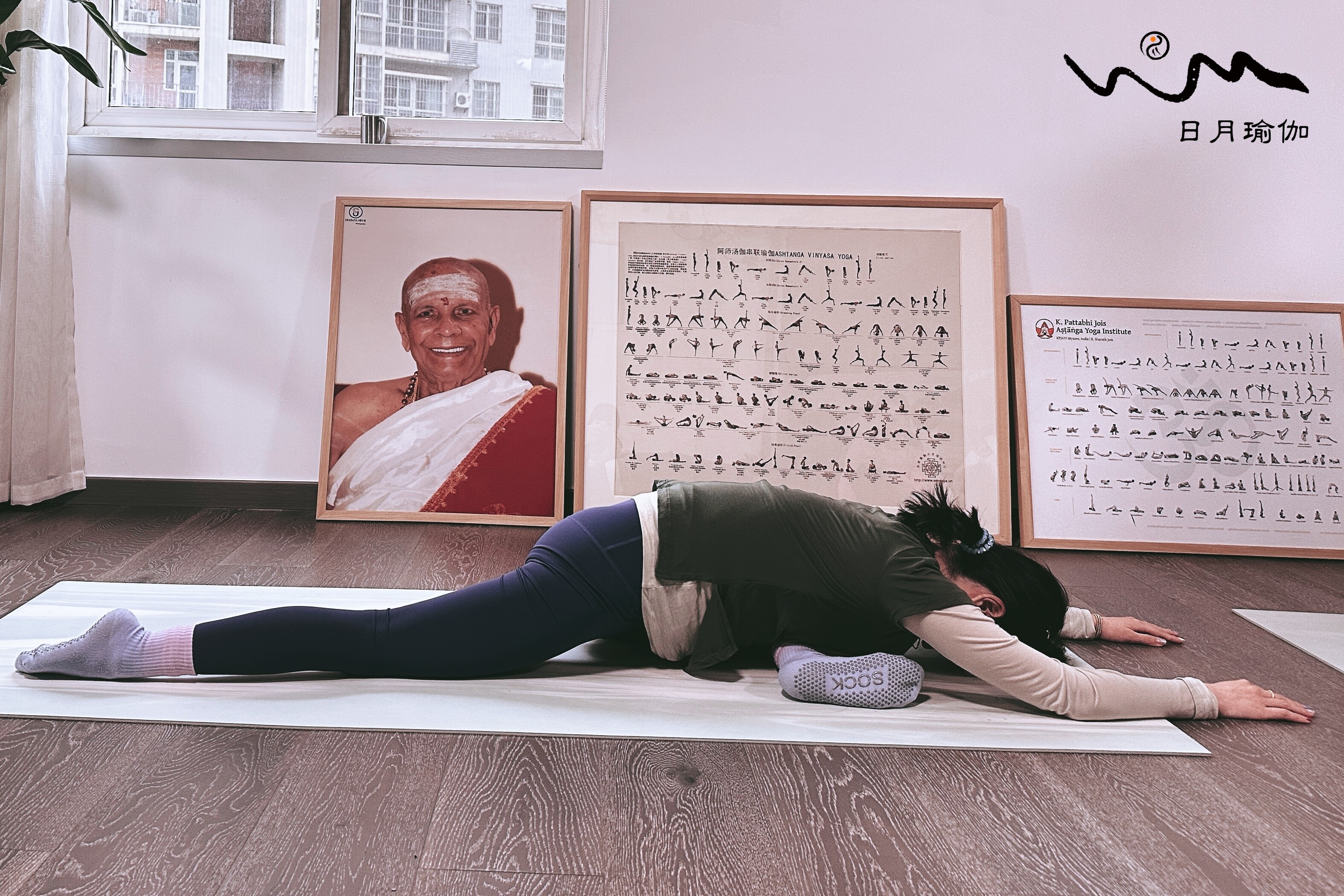
Key Practice PointsFrom the swan pose, lower your entire upper body to the floor, rest your cheek on the ground, and fully relax as gravity pulls you down.
Maintain duration: 3–5 minutes on each side
Stretching AreaDeep gluteal muscles, lateral hip, lower back, and gluteal fascia
Clear meridiansGallbladder Meridian, Bladder Meridian, Sanjiao Meridian
Benefits: Deeply heal the hips, release deep emotional tension, and relax the lower back and sacrum
Eliminate negative emotionsAnxiety, depressive tendencies, suppressed concerns, mental burnout
10. Square Pose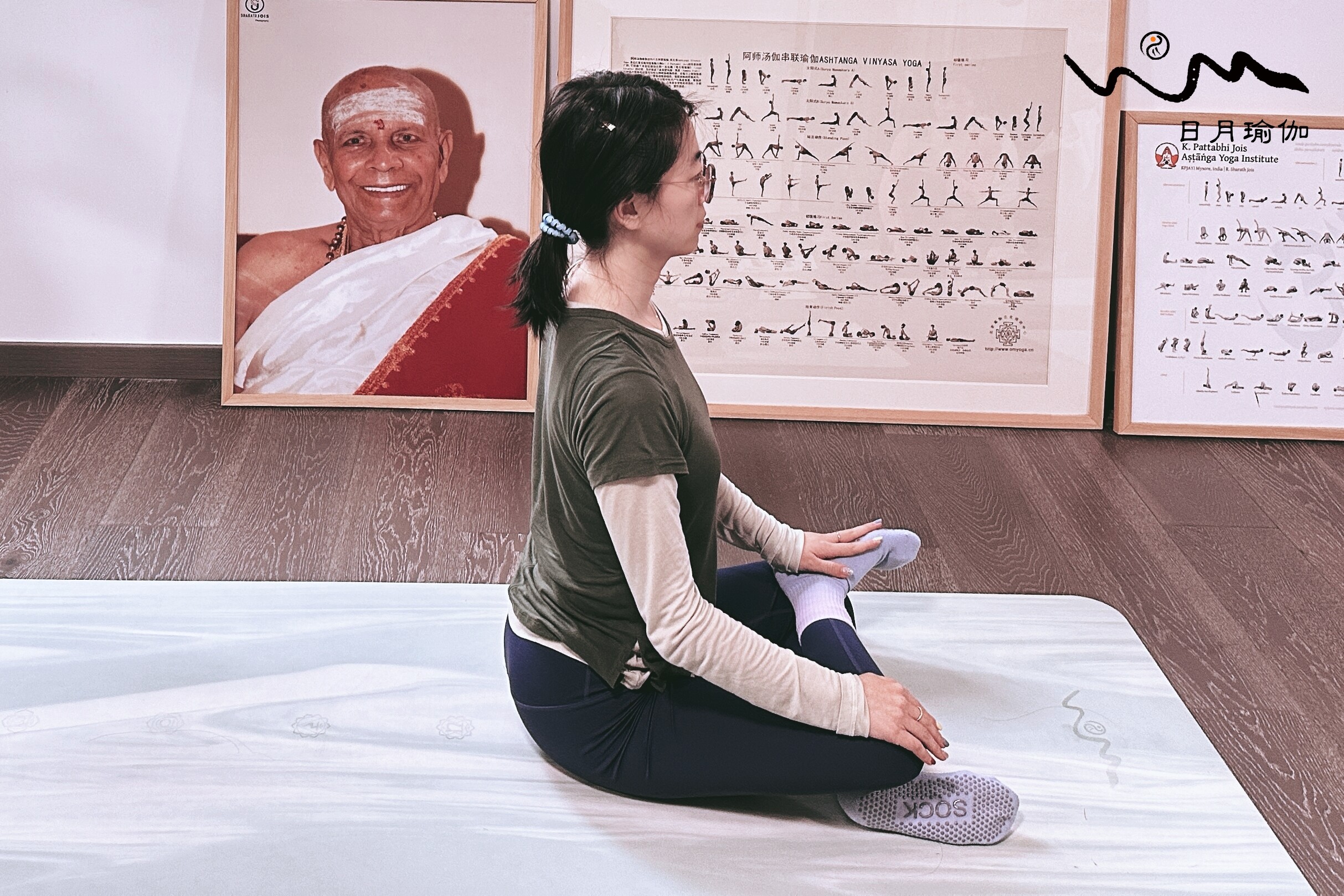
Key Practice PointsSit with legs crossed in a square position, ground the pelvis, and lean slightly forward while keeping the torso upright and centered.
Maintain duration: 3–4 minutes on each side
Stretching Area: hip rotators, outer glutes, sacroiliac, outer thigh
Clear meridians: Gallbladder Meridian, Liver Meridian
BenefitsCorrect pelvic rotation, balance the hips, and clear meridians along the sides.
Eliminate negative emotionsparanoid, obsessive, overthinking, emotionally unstable
11. Shoelace Pose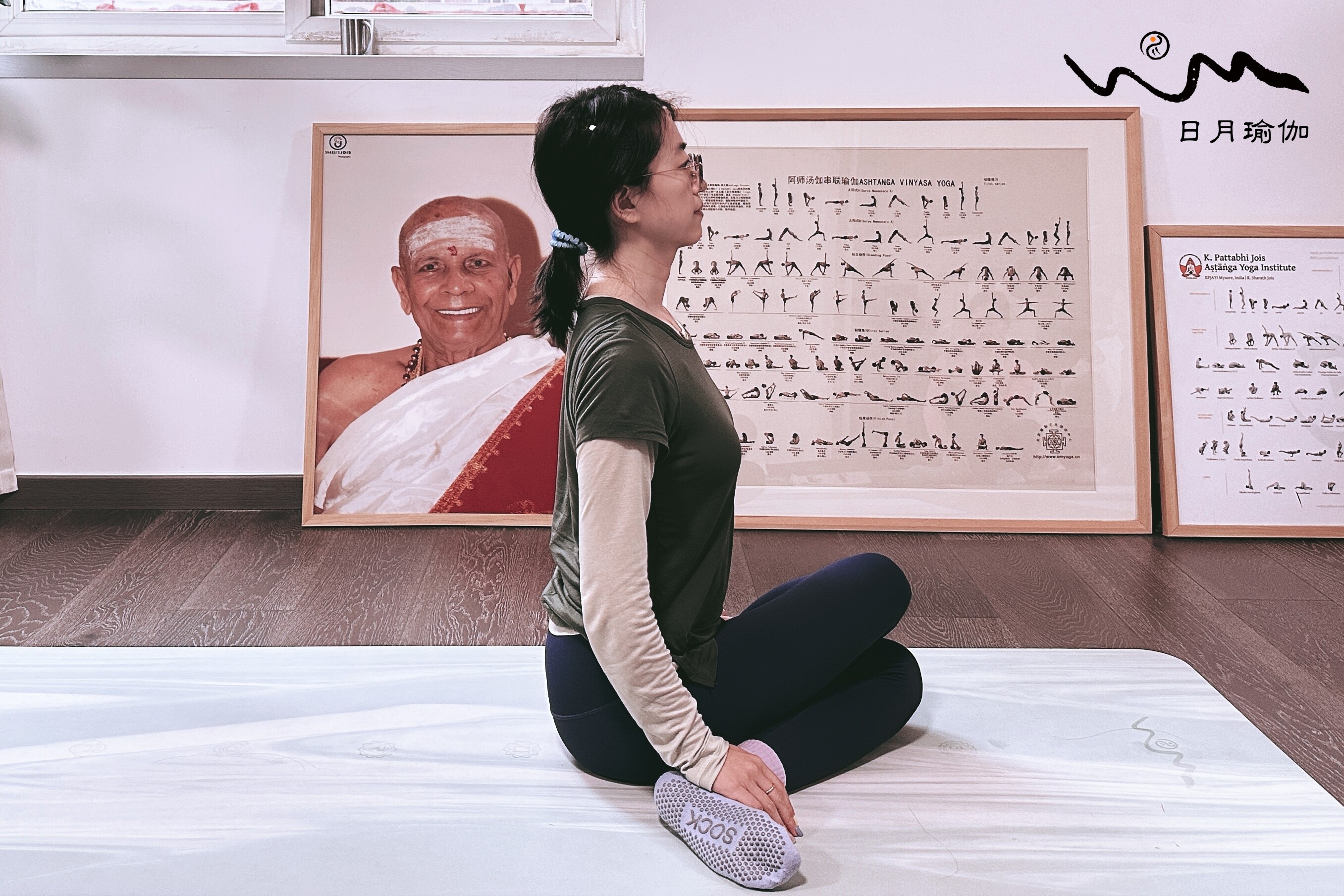
Key Practice PointsCross your legs front-to-back like shoelaces, sit firmly on your hips, and gently lean your upper body forward without forcing your spine.
Maintain duration: 3–5 minutes on each side
Stretching Areadeep hip, around the ischium, lower back, and posterior glutes
Clear meridiansGallbladder Meridian, Bladder Meridian, Liver Meridian
Benefits: Intensively opens hips, relieves back and waist stiffness, and helps metabolize cold-dampness accumulation in the buttocks.
Eliminate negative emotions: gloomy, downcast, negative, unwilling to communicate
12. Deer Pose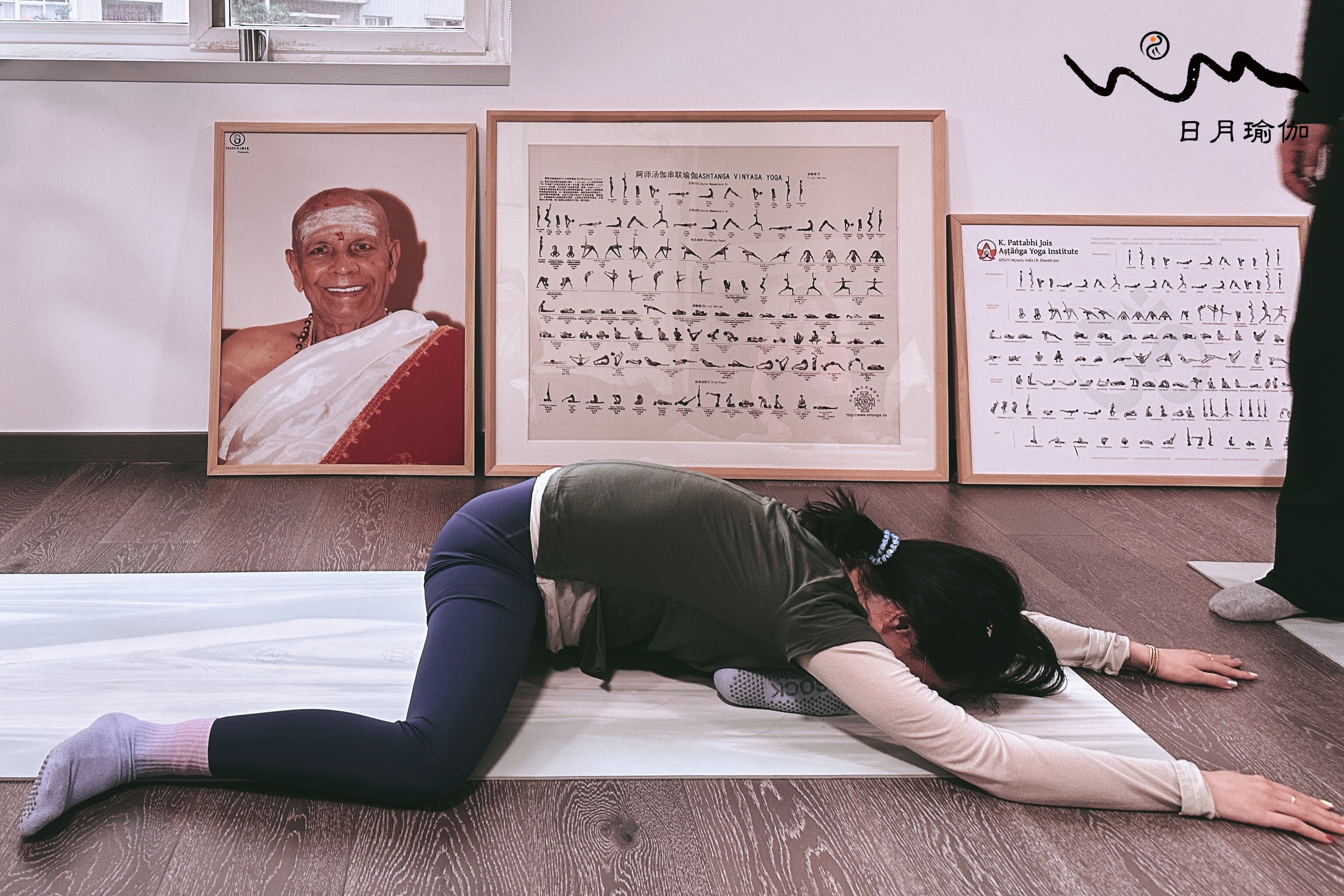
Key Practice PointsOne calf extends backward, the other tucks across; sit firmly on the floor with your spine naturally upright and relaxed.
Maintain duration: 3–4 minutes on each side
Stretching Areaanterior hip, side waist, groin, sacroiliac
Clear meridians: Spleen Meridian, Stomach Meridian, Gallbladder Meridian
Benefits: Open side blockages, regulate the spleen and stomach, and relieve excess fat and stiffness on the sides.
Eliminate negative emotionsIrritable, suspicious, narrow-minded, and easily angered.
13. Frog Pose (Bhekasana)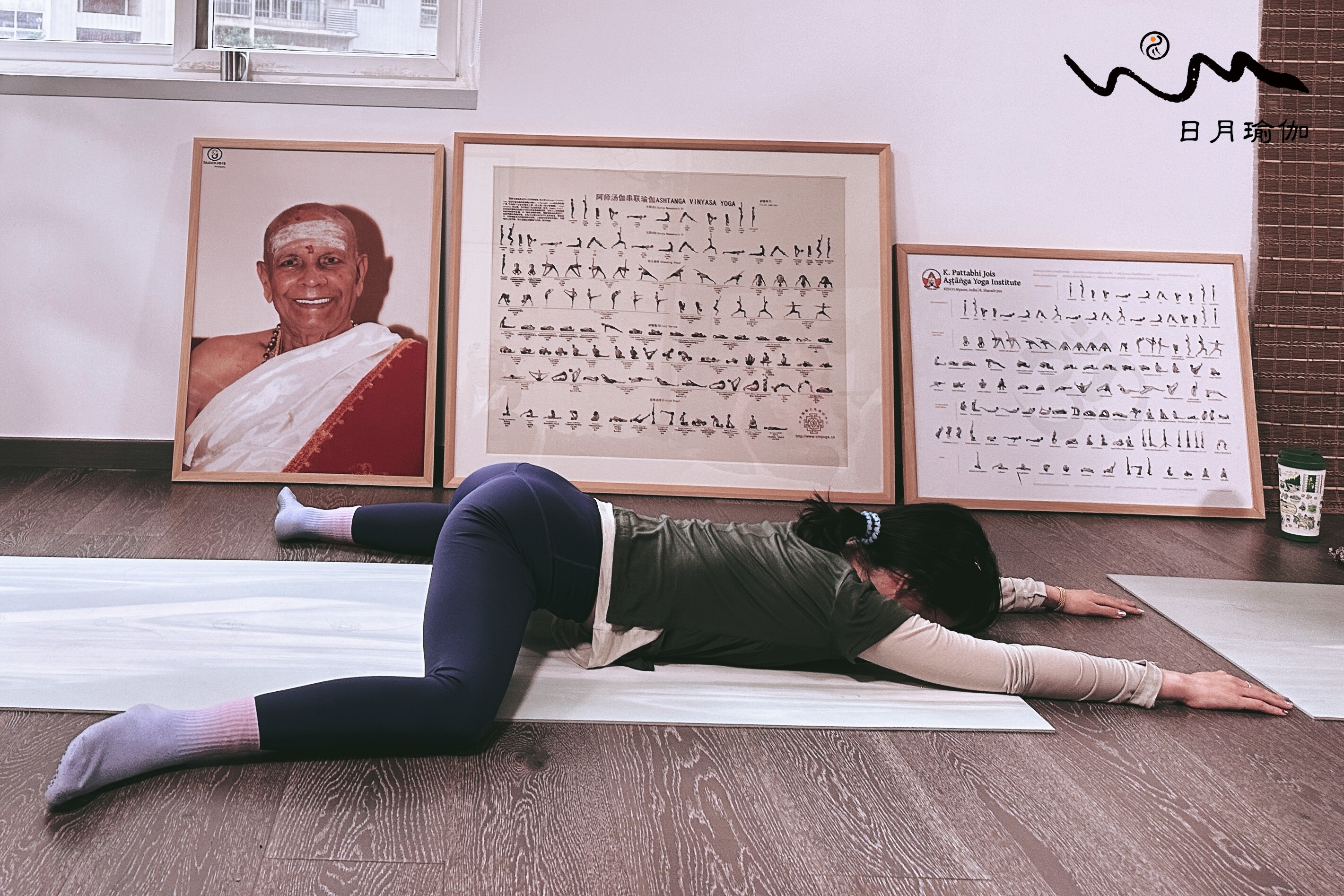
Key Practice PointsWide-knee frog pose: soles flat, elbows down, torso lowered; keep the lower back relaxed without sagging, sink hips gently without forcing.
Maintain duration:3–5 minutes
Stretching Areamedial hip, groin, pelvic floor fascia, perineum
Clear meridiansLiver Meridian, Kidney Meridian, Spleen Meridian
BenefitsDeeply unblocks the pelvic area, detoxifies and removes dampness, improves cold uterus and pelvic floor laxity.
Eliminate negative emotionsSuppressed, wronged, long-term restraint, emotionally closed-off
14. Melted Heart (Anahatasana)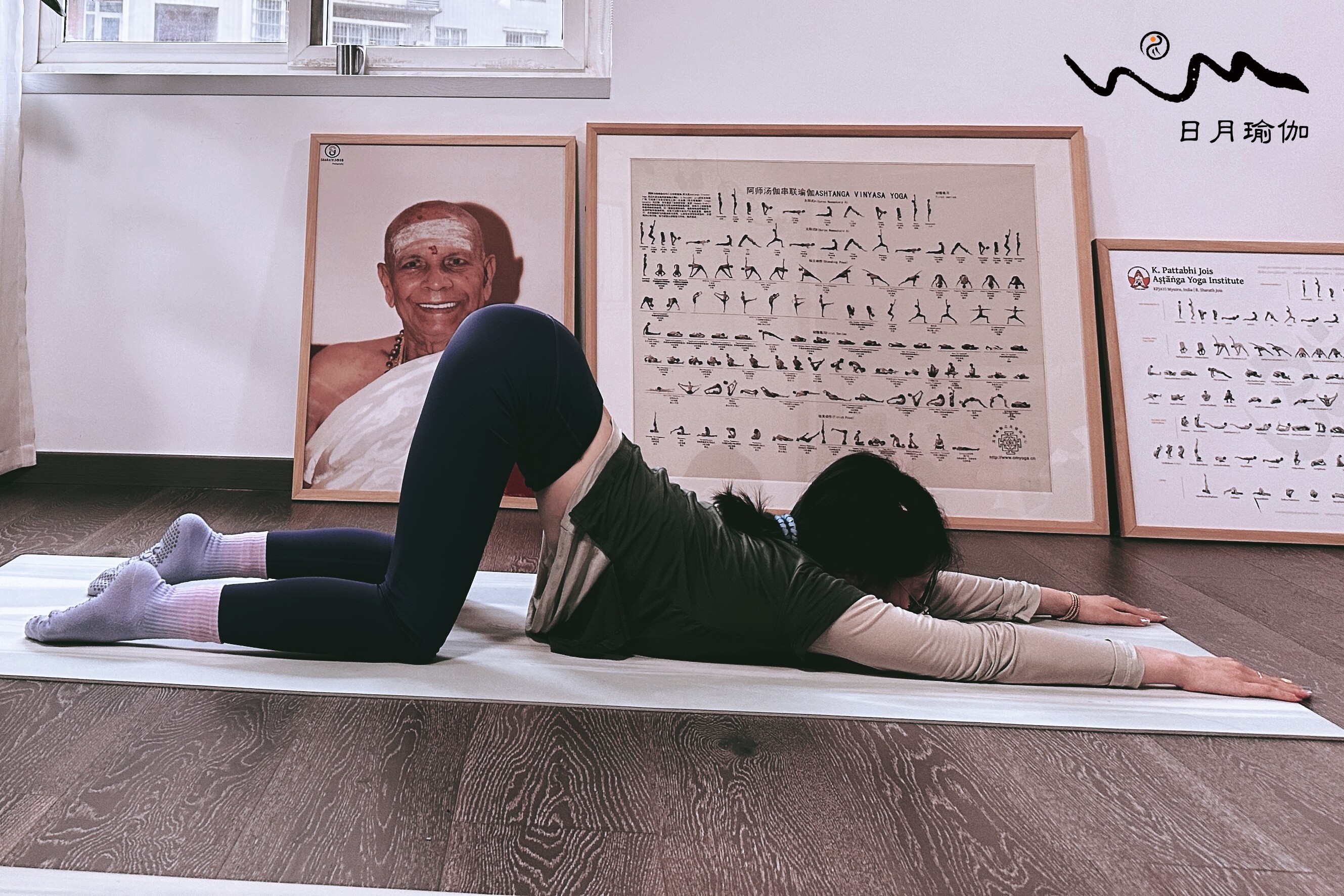
Key Practice PointsKneel with hips resting on heels; knees may be apart. Extend arms forward, lower chest to the floor, touch forehead to the ground, and fully relax shoulders and chest.
Maintain duration:3–5 minutes
Stretching Areashoulder and chest, underarms, upper back, pericardium meridian area
Clear meridiansPericardium Meridian, Lung Meridian, Sanjiao Meridian
BenefitsOpen the heart chakra to relieve chest tightness and shortness of breath, release shoulder and neck tension, reduce stress, and promote sleep.
Eliminate negative emotionsSad, downcast, lonely, withdrawn, and closed off
15. Seal Pose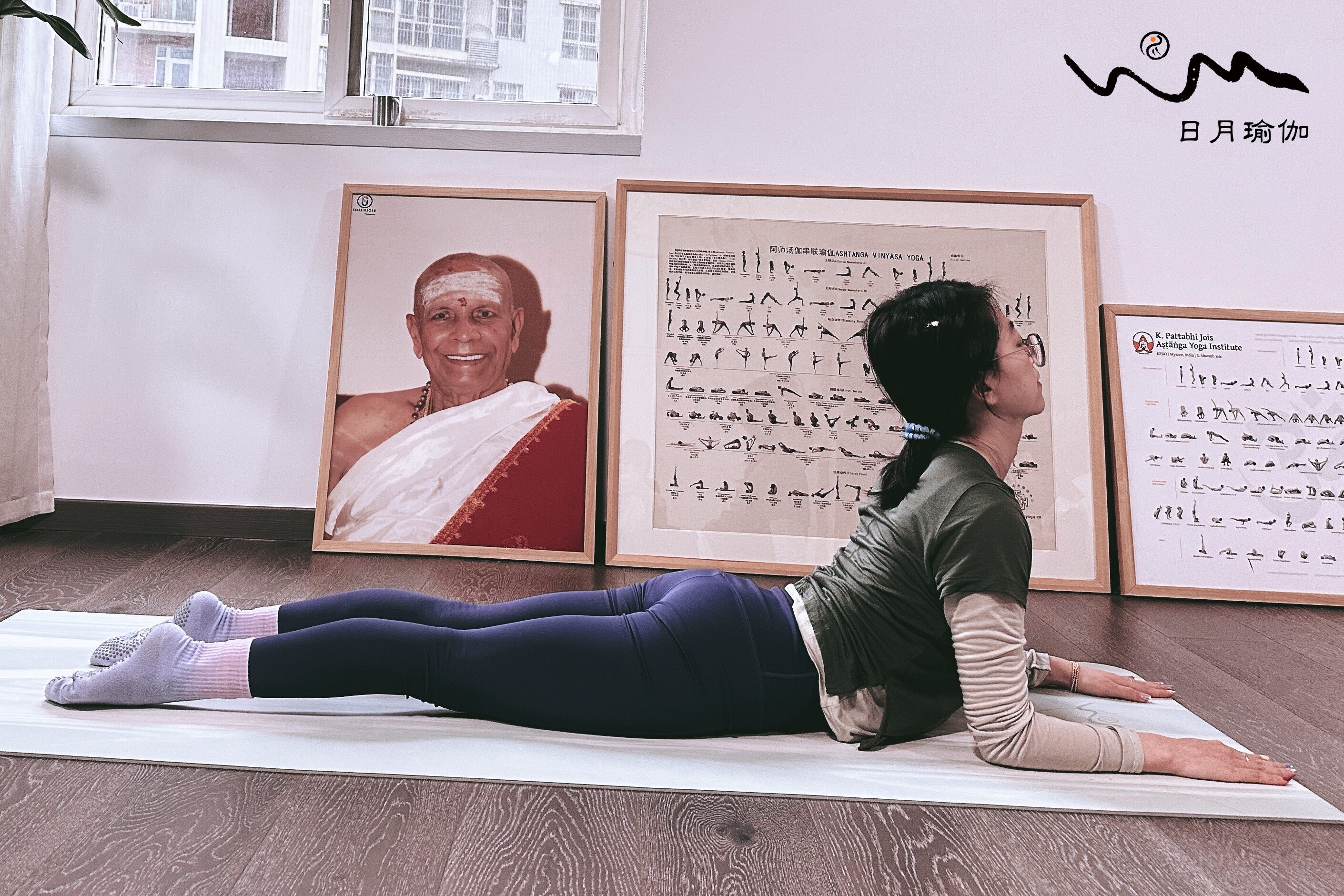
Key Practice PointsStart on your forearms with elbows under your shoulders. Slowly lift your upper body while keeping your pelvis grounded and your lower back relaxed. Extend gently without forcing an arch.
Maintain duration:2–3 minutes
Stretching Area: thorax, abdomen, anterior spine, upper abdominal fascia
Clear meridiansStomach Meridian, Spleen Meridian, Ren Meridian
Benefits: Opens the chest and regulates qi, improves hunched posture and rounded shoulders, and promotes gastrointestinal motility.
Eliminate negative emotions: suppressed, frustrated, sighing frequently, gloomy mood
16. Cat-Cow Stretch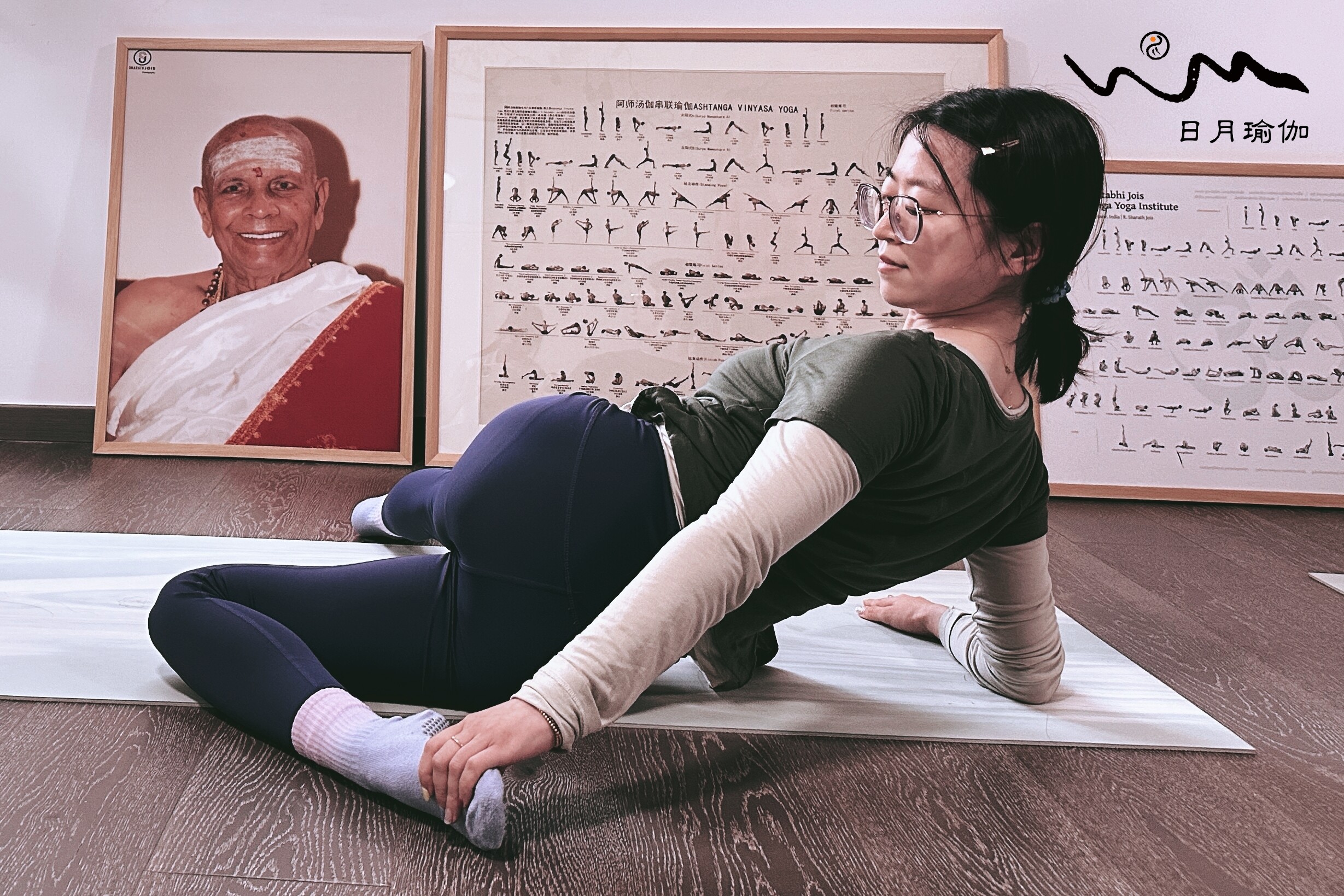
Key Practice PointsLie on your side in a straight line, bend the top knee, and gently grasp the foot with your hand to pull it backward. Hold statically without twisting.
Maintain duration: 3–4 minutes on each side
Stretching Area: front thigh, quadriceps, front of hip, iliopsoas
Clear meridiansSpleen Meridian, Stomach Meridian
BenefitsRelieve tightness in the front of your thighs, warm cold knees, and tone leg lines.
Eliminate negative emotionsImpatient, impulsive, short-tempered, lacking patience
17. Ankle Stretch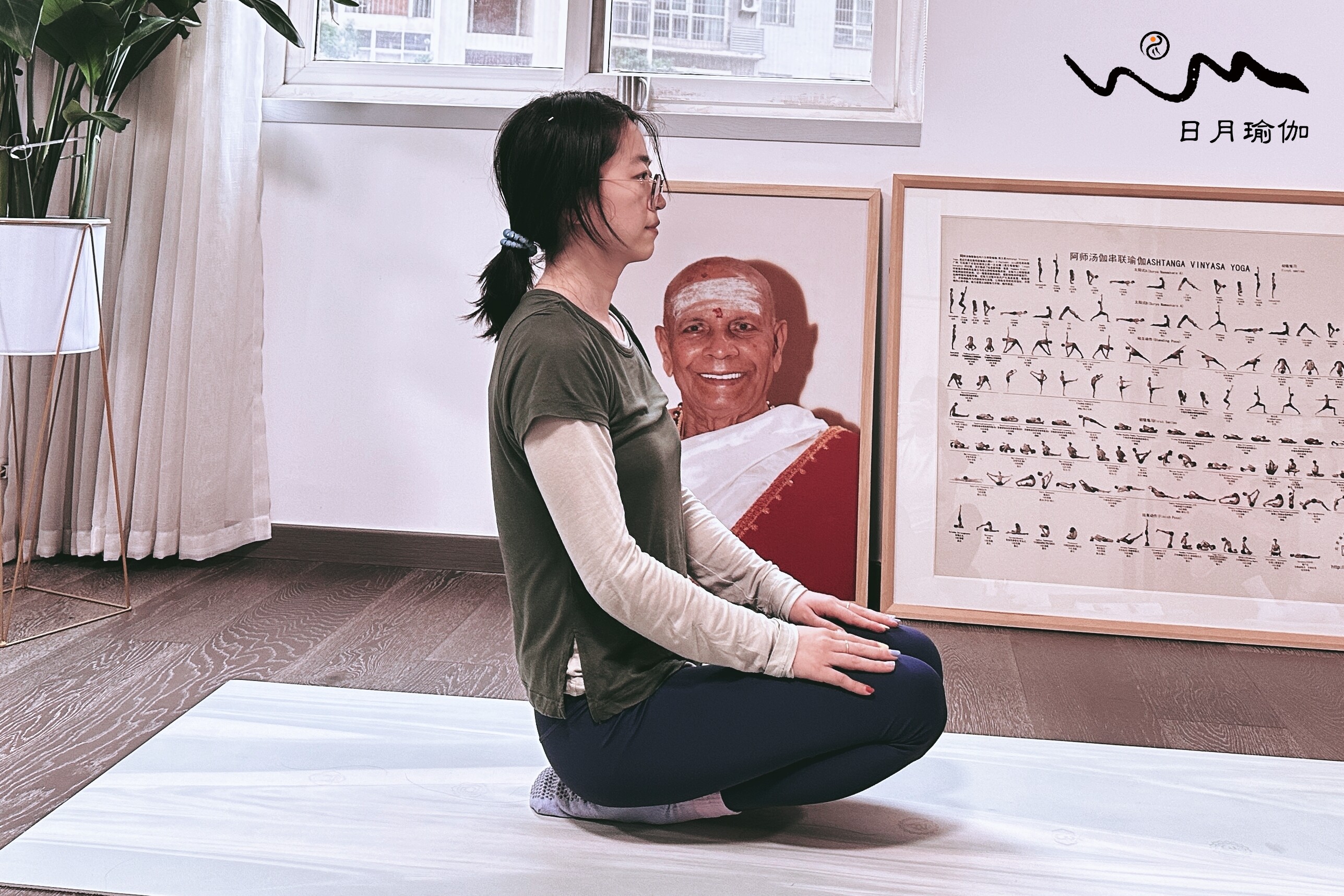
Key Practice PointsKneel with the tops of your feet flat on the floor. Slowly shift your weight back toward your heels while keeping your torso upright to passively stretch the front of your ankles.
Maintain duration:2–3 minutes
Stretching AreaAnterior ankle, dorsum of the foot, and anterior leg fascia
Clear meridiansLower ends of the Stomach, Spleen, and Liver meridians
BenefitsPromotes blood circulation in the lower extremities, relieves cold hands and feet, and helps prevent ankle stiffness and sprains.
Eliminate negative emotionsRestless, impatient, and prone to rash actions.
18. Reclining Hero Pose (Supta Virasana)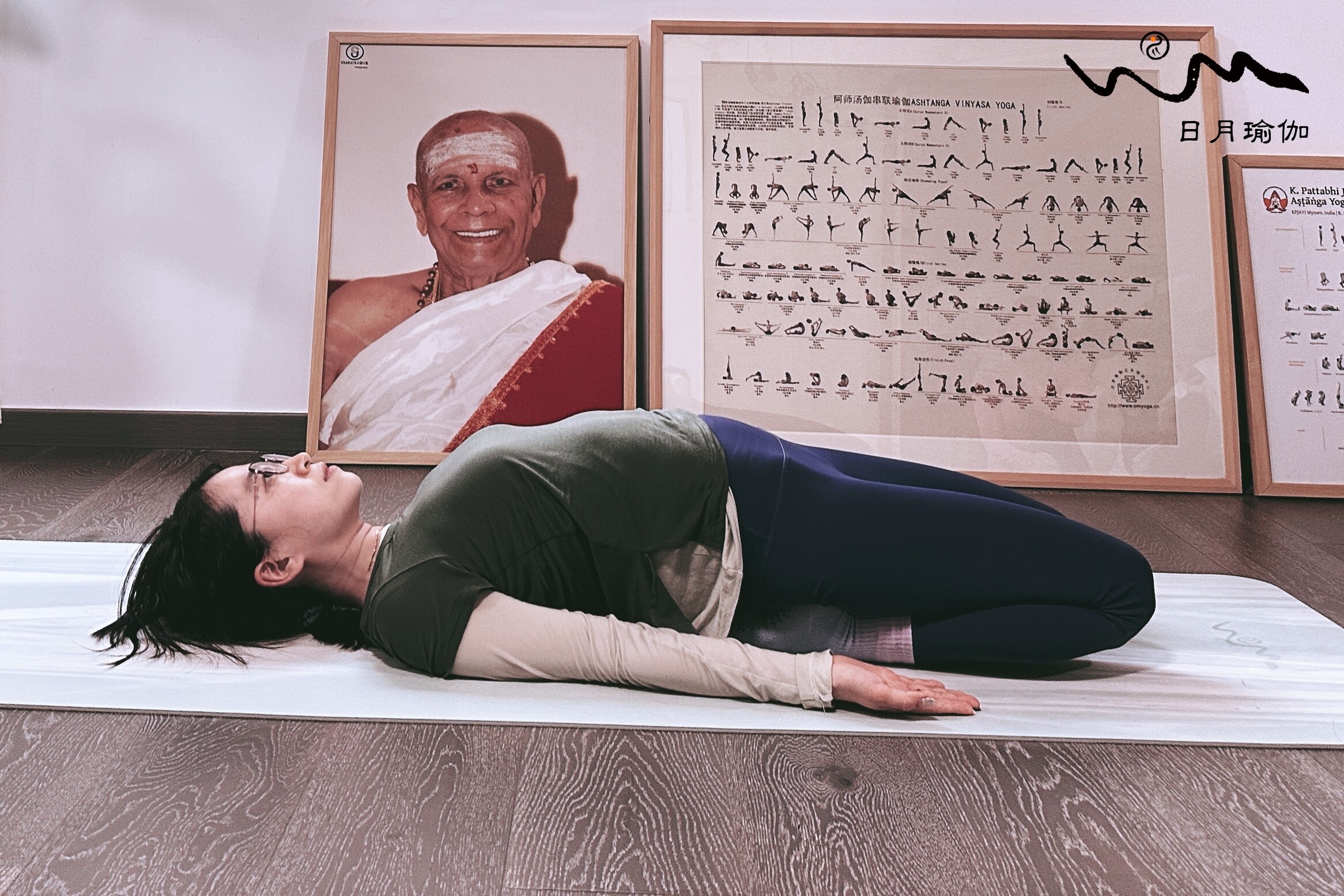
Key Practice PointsKneel with feet on either side of your hips, sitting between your heels. You may sit upright; if comfortable, lean back slightly. If your knees are sensitive, remain upright only.
Maintain duration:2–4 minutes
Stretching Area: front of thigh, around knee, front of lower leg, hip flexors
Clear meridiansStomach Meridian, Spleen Meridian
BenefitsStretch the front thigh fascia, address knee cold-dampness, and relieve pain from prolonged standing.
Eliminate negative emotionstense, stubborn, unwilling to show weakness, masking vulnerability
19. Toe Squat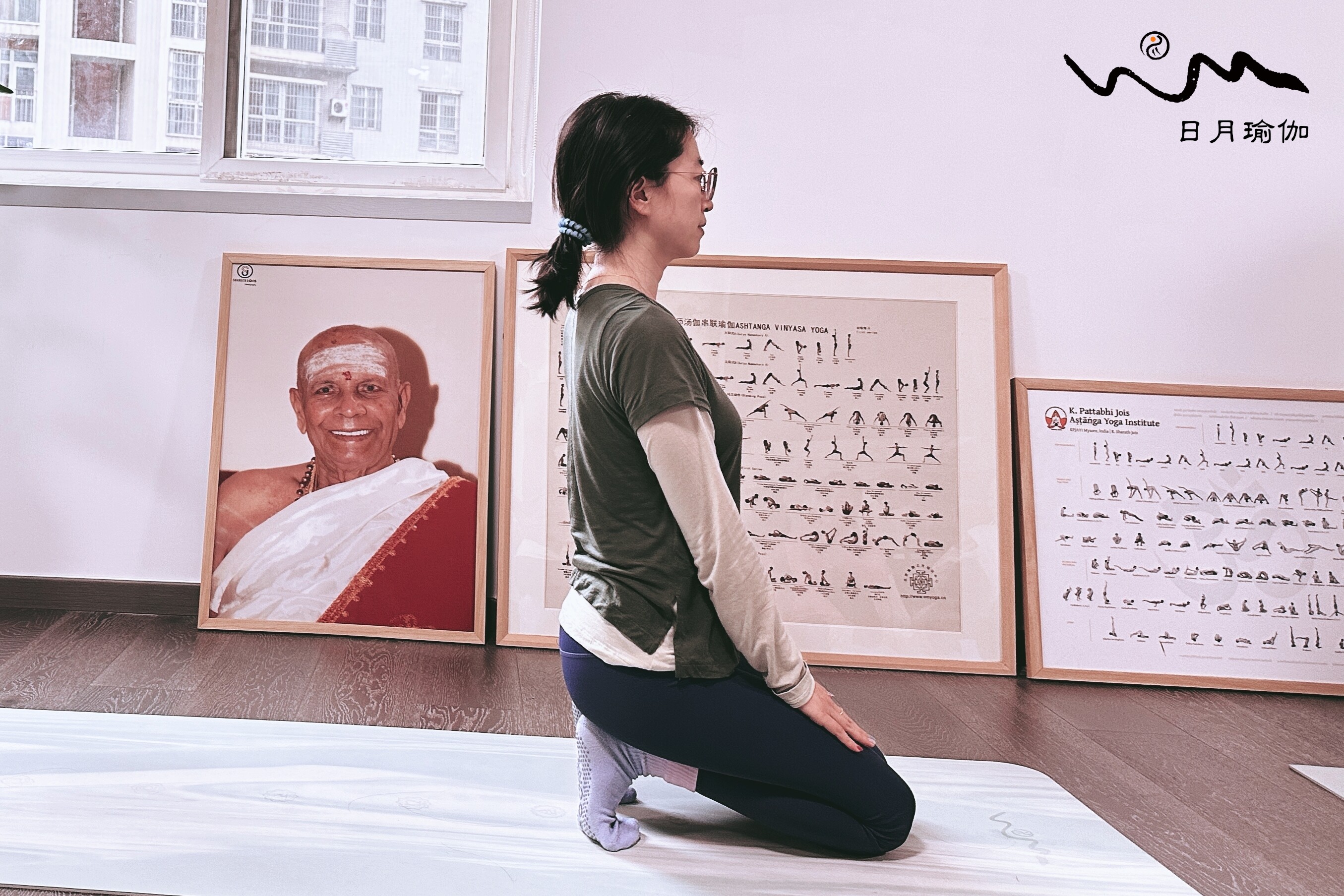
Key Practice PointsKneel with toes tucked and feet lifted off the floor. Slowly lower your hips toward your heels while keeping your upper body upright and relaxed.
Maintain duration:2 minutes
Stretching Area: plantar fascia, toes, forefoot, lower fascial system
Clear meridiansLiver meridian, kidney meridian, and all meridians of the soles of the feet.
BenefitsStimulates foot reflexology points to eliminate dampness and cold, promote relaxation and sleep, and strengthen the body's foundation.
Eliminate negative emotionsfatigue, weakness, low mood, low energy
20. Camel Pose (Ustrasana)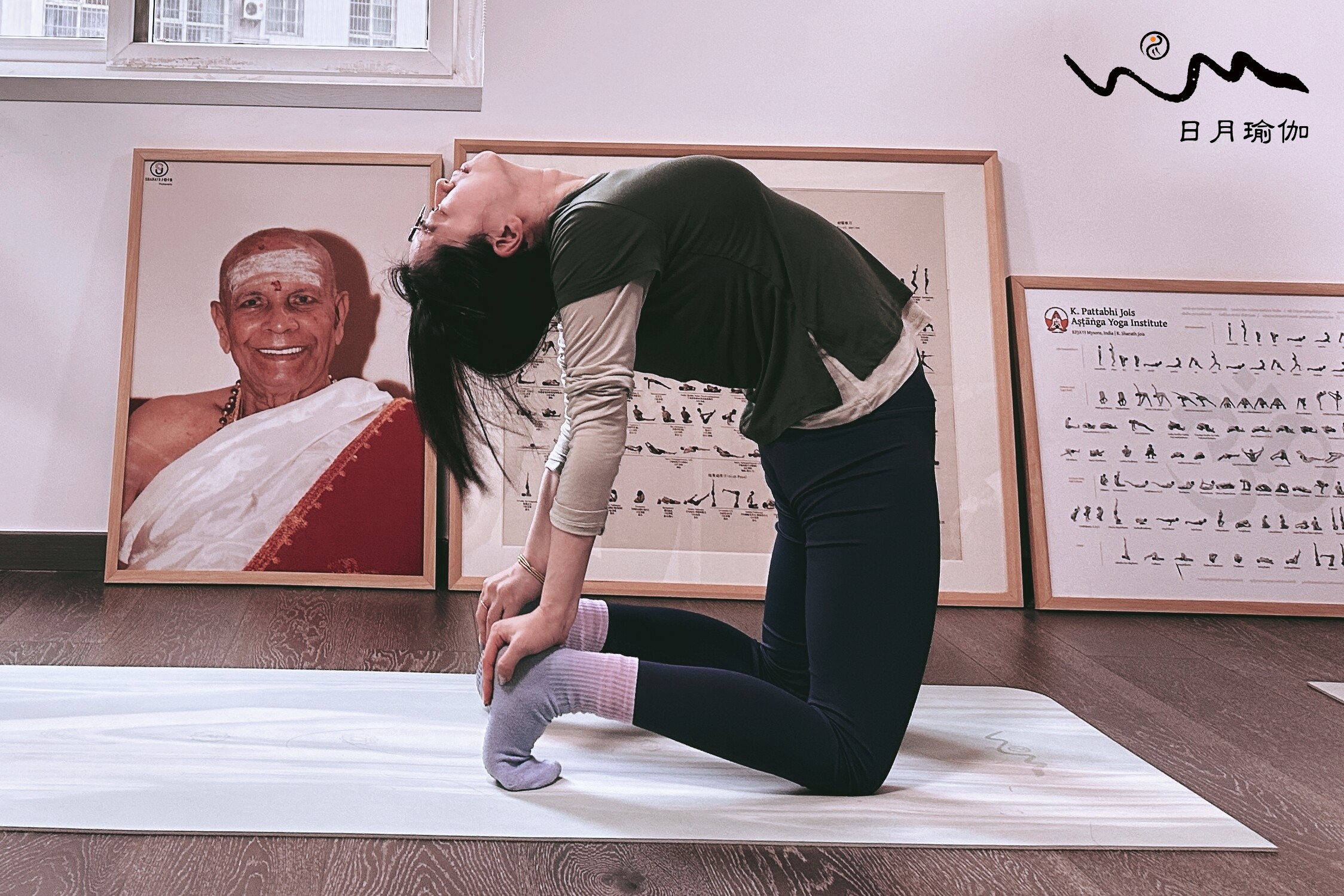
Key Practice PointsKneel with hands on hips. Gently arch the chest upward and forward in a small range of motion. Avoid overarching the lower back or forcing the heels to grab.
Maintain duration:1–2 minutes
Stretching Areachest, clavicle, anterior spine, abdomen
Clear meridians: Ren Meridian, Lung Meridian, Pericardium Meridian
Benefits: Open the chest and relieve the back; correct hunched posture and rounded shoulders; boost chest energy.
Eliminate negative emotionsInsecure, timid, suppressed, and unable to express oneself.
21. Child's Pose (Balasana)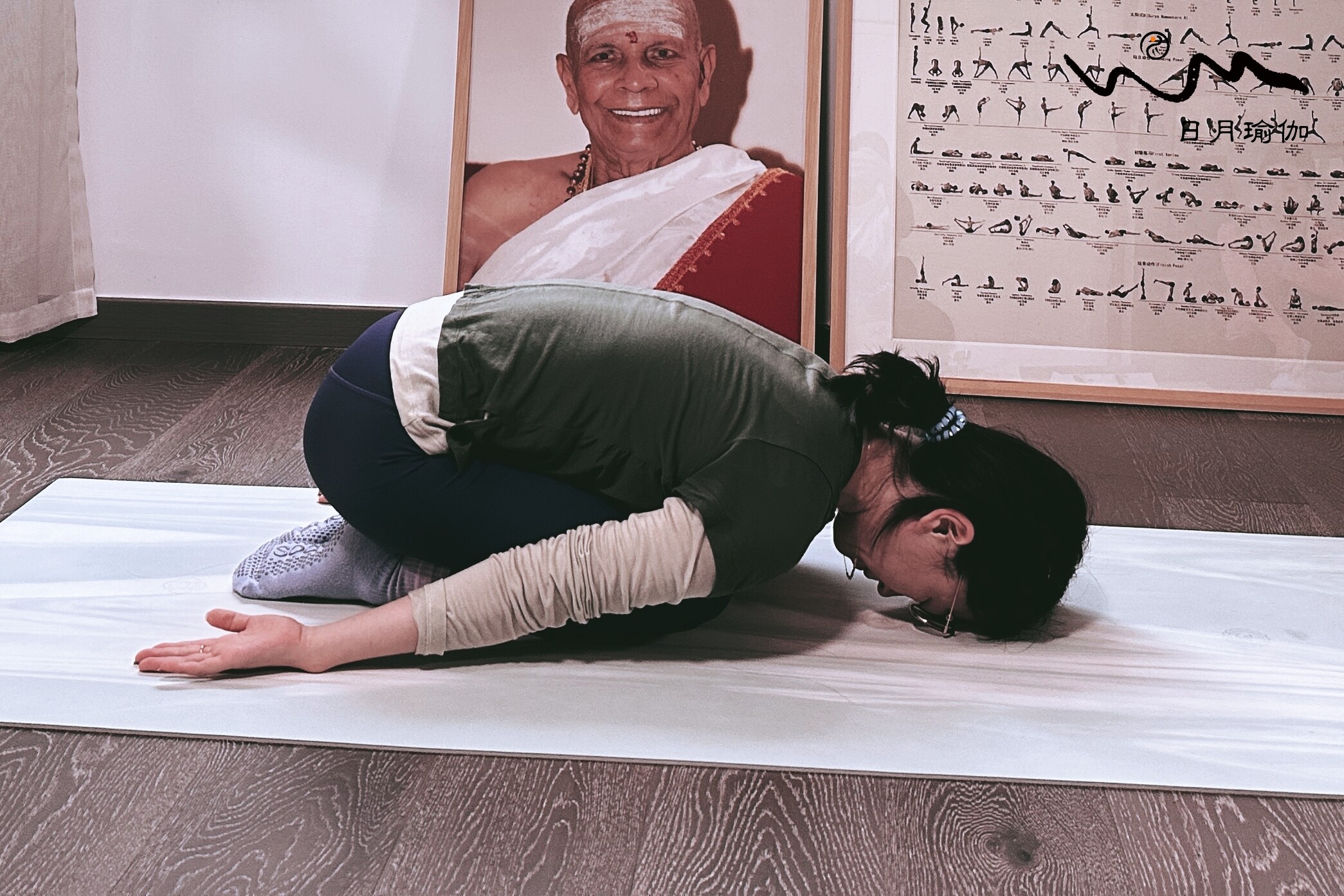
Key Practice PointsKneel with big toes touching; knees may be apart. Sit hips on heels, lean forward until forehead touches the floor. Extend arms forward or rest them by your sides. Relax completely.
Maintain duration:2–5 minutes
Stretching Area: Lower back, shoulders and neck, buttocks, back of thighs
Clear meridians: Bladder Meridian, Governor Vessel
Benefits: Corrects posture, soothes the nervous system, aids in recovery, and relieves fatigue and dizziness.
Eliminate negative emotions: tired, anxious, flustered, uneasy
22. Snail Pose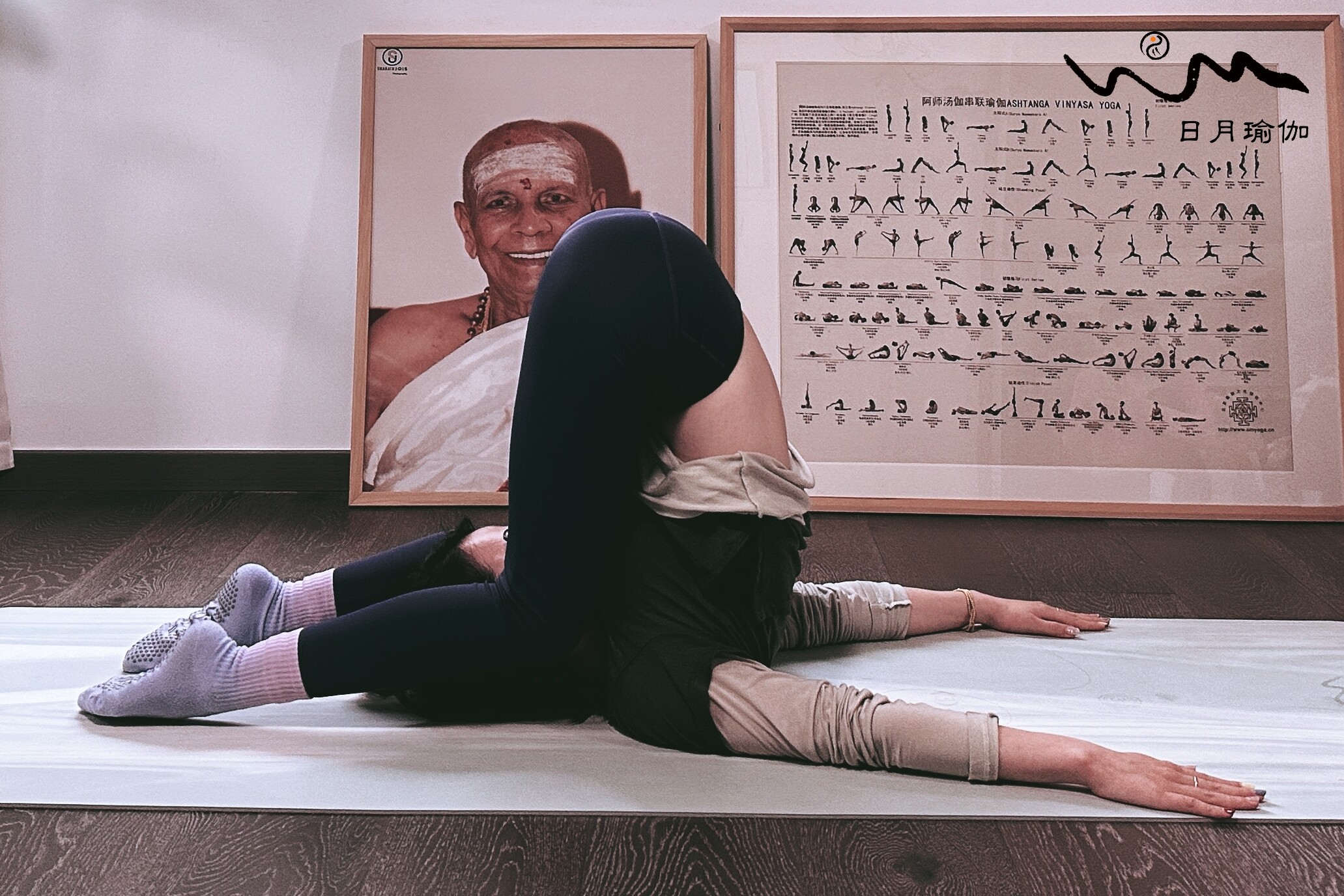
Key Practice PointsLie on your back. Slowly draw both legs over your head, gently lowering your feet toward the front of your head. Relax your back; do not force your neck downward.
Maintain duration:3–5 minutes
Stretching Area: Shoulders, neck, entire back of the spine, upper back
Clear meridiansGoverning Vessel, Bladder Meridian, Gallbladder Meridian
BenefitsInverted posture to soothe shoulders and neck, relax brain nerves, and relieve headaches and insomnia.
Eliminate negative emotionsOveruse of the brain, excessive worry, mental tension, insomnia, and vivid dreams
23. Happy Baby Pose (Ananda Balasana)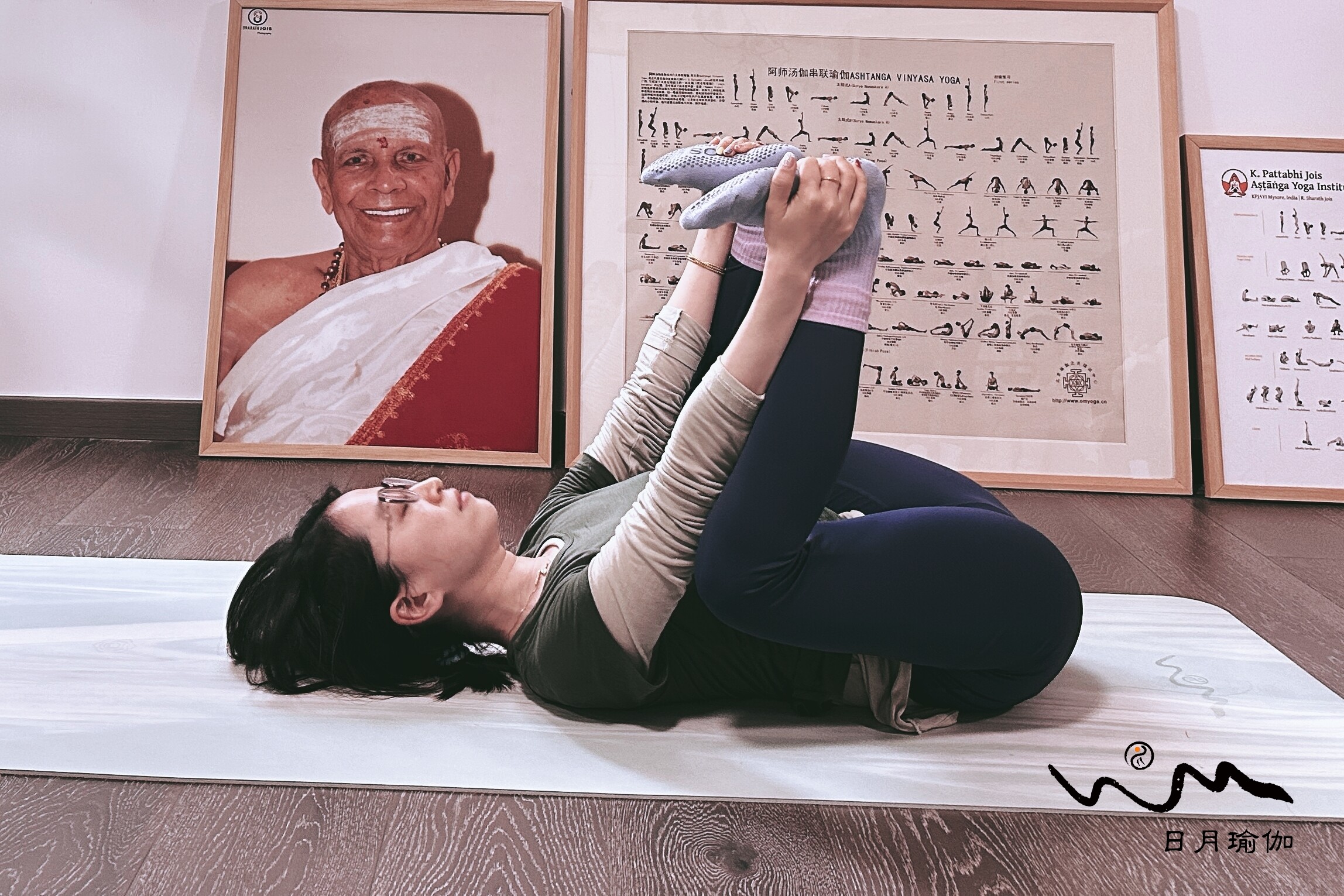
Key Practice PointsLie on your back with knees bent and legs lifted. Grasp the outer sides of your feet, lower both knees outward to the sides, and gently rock side-to-side to massage your lower back.
Maintain duration:3–4 minutes
Stretching Areainner hip, inner thigh, sacroiliac, lower back
Clear meridiansLiver Meridian, Gallbladder Meridian, Kidney Meridian
BenefitsRelease the sacroiliac joint, open the hips to detoxify, reconnect with childlike wonder, and relieve stress.
Eliminate negative emotionsSerious, tense, unhappy, burdened
24. Supine Twist (Supta Matsyendrasana)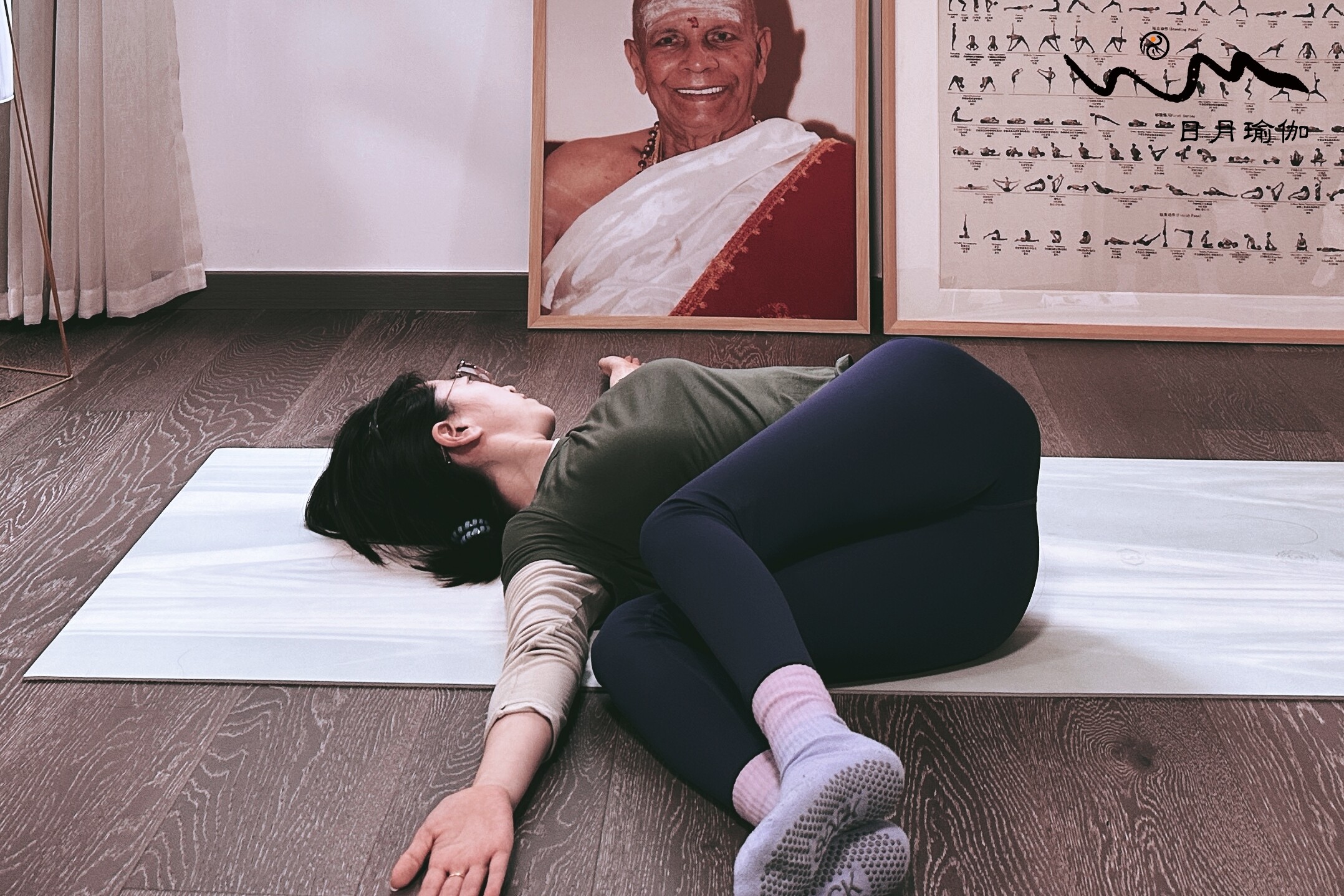
Key Practice PointsLie on your back with knees together. Slowly lower both legs to one side while extending arms out to the sides, keeping shoulders grounded. Relax and allow gravity to gently twist your body.
Maintain duration: 3–4 minutes on each side
Stretching Area: Spine, back, flank, intercostal, abdominal cavity
Clear meridians: Gallbladder Meridian, Liver Meridian, Sanjiao Meridian
BenefitsRelieves liver qi stagnation, detoxifies and promotes bowel movement, corrects spinal misalignment, and balances the autonomic nervous system.
Eliminate negative emotions: gloomy, angry, suppressed, emotionally pent-up, prone to sulking
25. Corpse Pose (Savasana)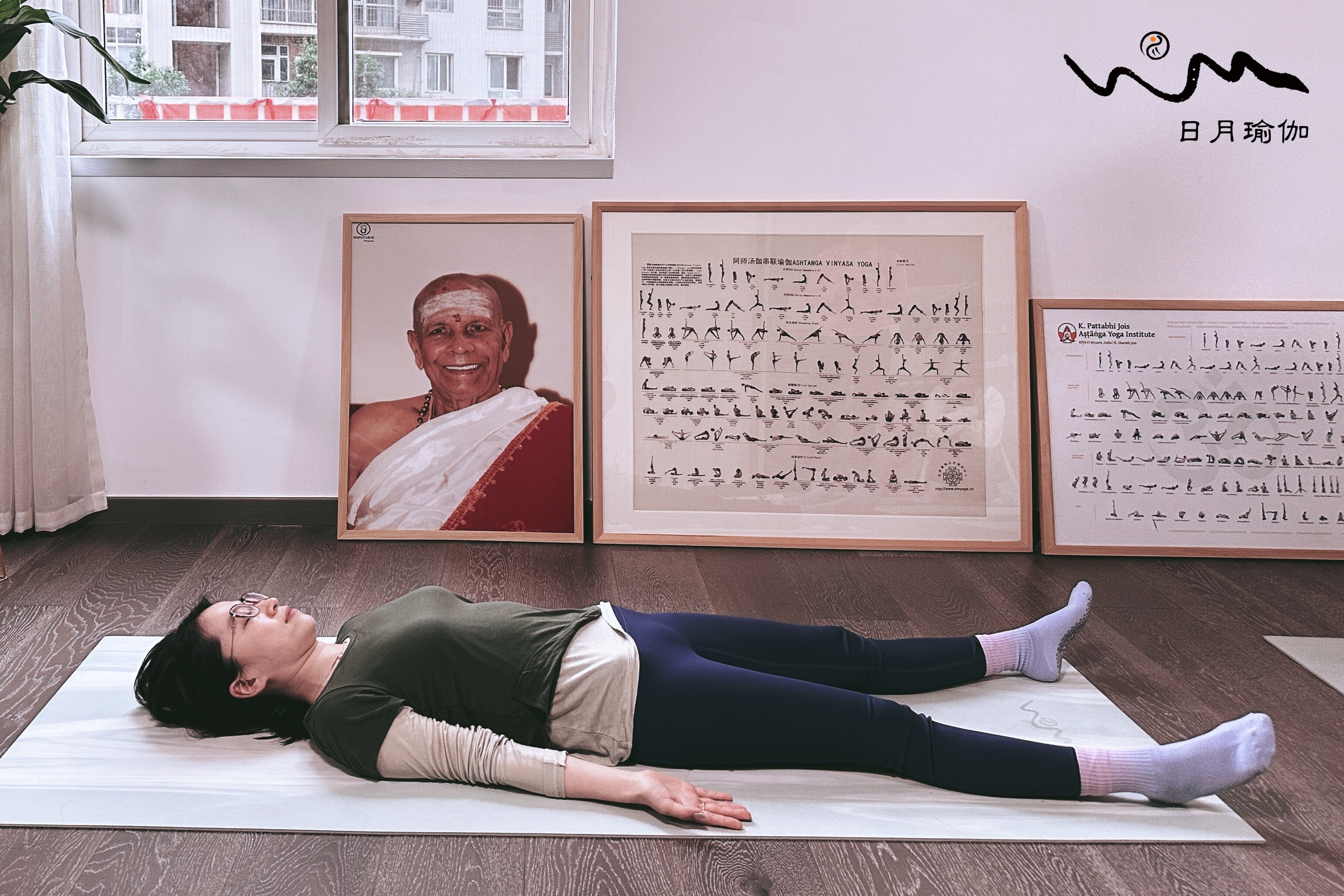
Key Practice PointsLie flat on your back with legs naturally apart, palms facing up at your sides. Close your eyes and release every muscle completely.
Maintain duration:3–8 minutes
Stretching Area: Full-body fascia, nerve, and mind-body relaxation
Clear meridians: Realign and harmonize the body's meridians
BenefitsIntegrate the session's energy, restore body and mind, lower cortisol, and achieve deep rest.
Eliminate negative emotionsAll fatigue, anxiety, irritability, and mental exhaustion
26. Lotus Pose (Padmasana)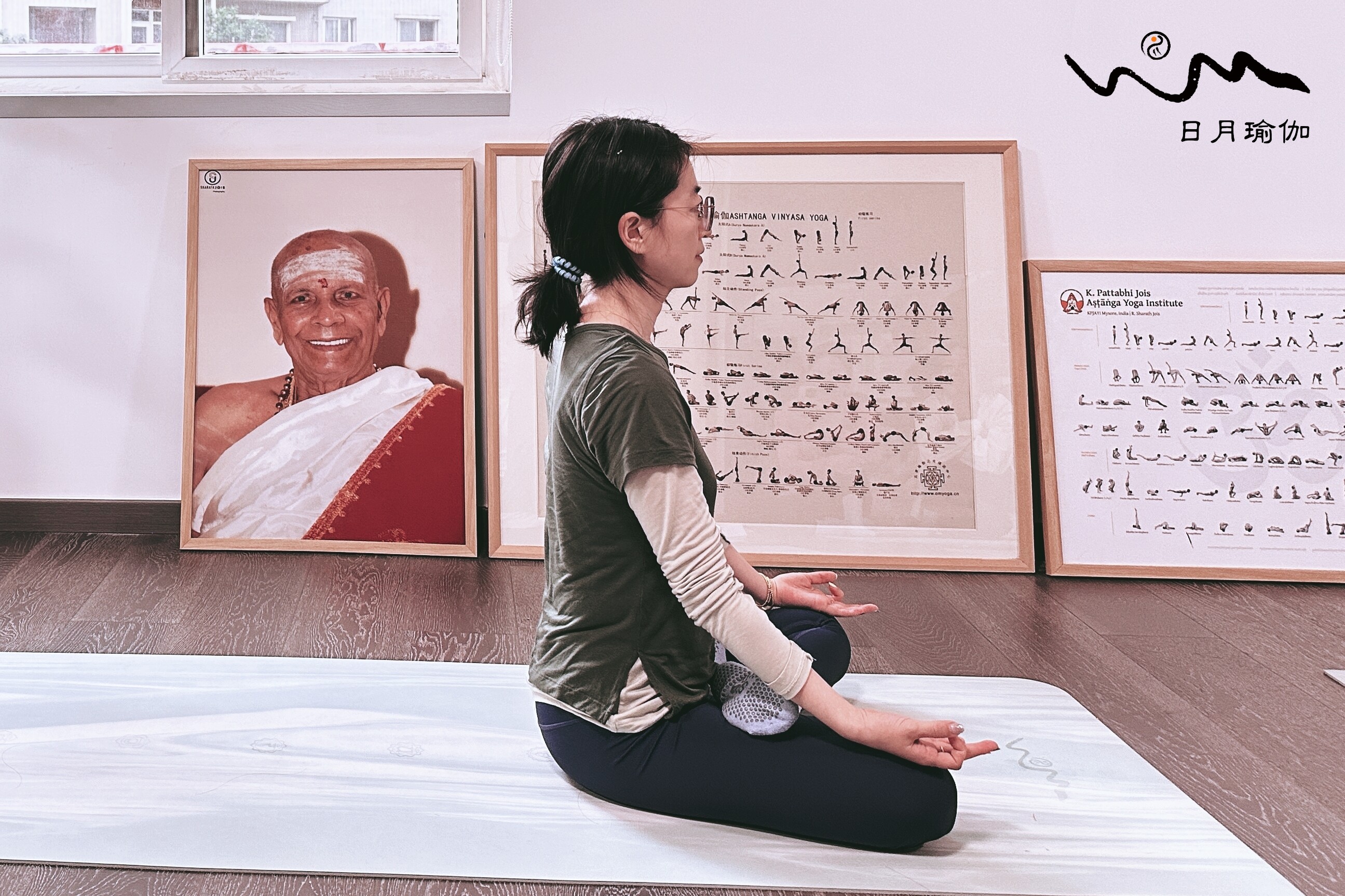
Key Practice PointsSit cross-legged or in a simple lotus position. Keep your spine straight, relax your shoulders, form the hand mudra, close your eyes, and focus on your breath. Do not force your hips.
Maintain duration:3–5 minutes
Stretching Area: hips, ankles, knees, lower back
Clear meridians: Harmonizes the body's meridians and unites the Ren and Du vessels.
BenefitsMeditate to calm your mind, stabilize emotions, enhance focus, and find inner peace.
Eliminate negative emotionsRestless, scattered, distracted, and unsettled.
Key Practice Tips (Essential for Beginners)
1. Breathe
Breathe in and out through your nose, slowly and deeply (4 counts in, 6 counts out). Direct the breath to the tense area and let it relax naturally with each breath. Do not hold your breath.
2. Intensity
Find the edge where you feel a dull ache but not sharp pain. Don't aim for a "standard range." Keep muscles fully relaxed throughout and do not resist.
3. Tool
Essential yoga blocks, bolsters, and blankets to support your body and reduce stretching discomfort.
4. Time
Practice for 30–60 minutes each time; evenings or before bed are ideal. During menstruation and the second half of pregnancy, opt for gentle poses and avoid deep twists and inversions.
5. Contraindications
Avoid deep hip openers and intense forward folds if you have acute joint injuries, severe osteoporosis, are in the first 3 months of pregnancy, or are experiencing heavy menstrual bleeding.
Ideal for
For office workers who sit for long periods and experience stiffness in the shoulders, neck, waist, and back
For those experiencing high stress, anxiety, insomnia, or mood instability
Women (Menstrual Care, Preconception Support, Menopause Wellness)
Yoga beginners, those with poor flexibility, and people who struggle to engage their muscles
Post-workout recovery and balancing yoga for over-practitioners
Summary
Yin Yoga is "calm restoration": using slowness and stillness to nourish deep fascia, clear meridians, stabilize the nervous system, and replenish what fast-paced life drains. Ideal for 30 minutes daily—gentle healing for body and mind.
At Sun & Moon Yoga Academy, we offer structured Yin Yoga classes led by experienced instructors to help you begin your journey safely and effectively. Book a trial session today and experience the peace of connecting with yourself in stillness.