
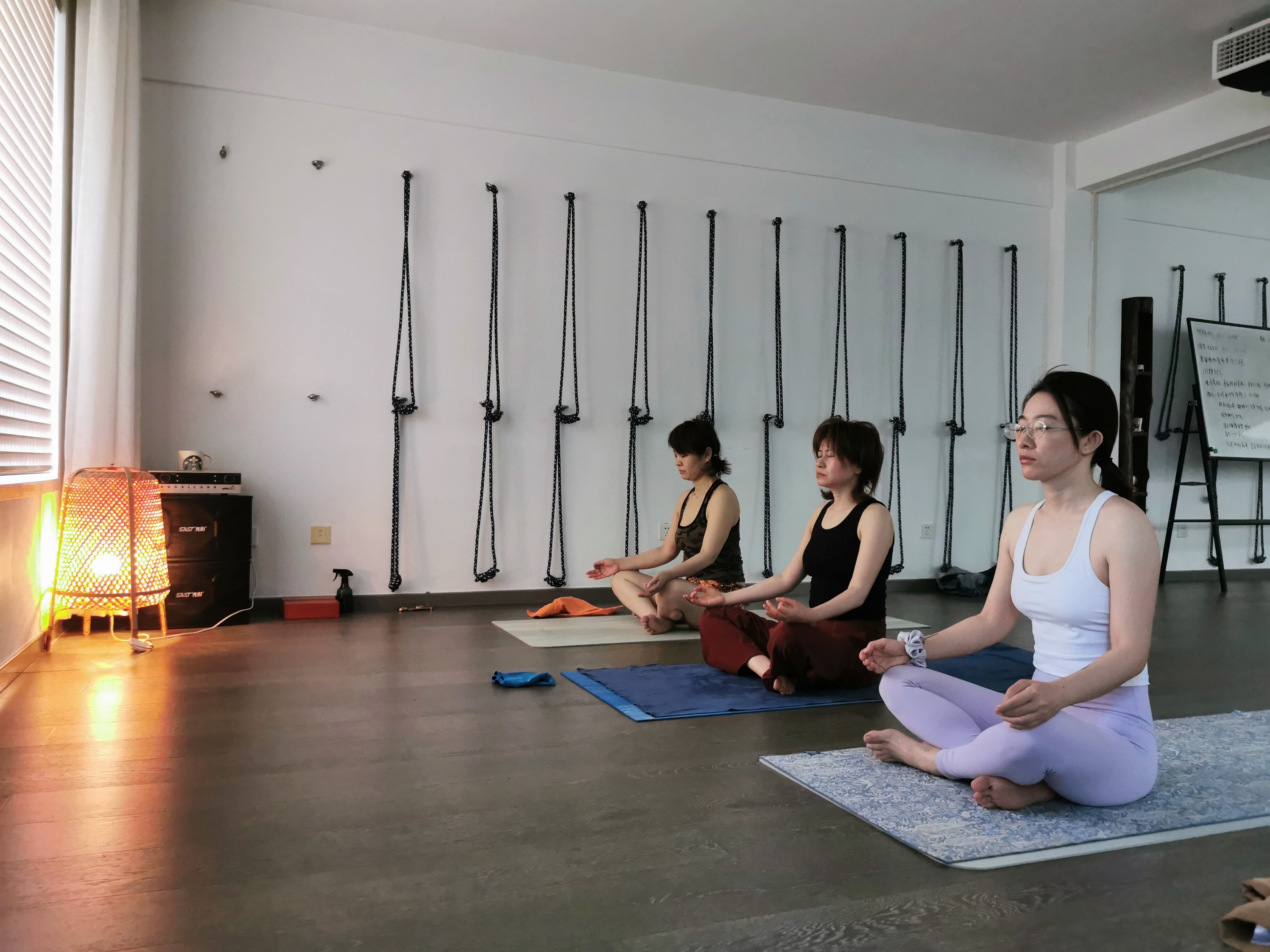
What is Ashtanga Yoga practice?
Ashtanga Yoga is an ancient and systematic yoga practice brought to the Western world by K. Pattabhi Jois in the 20 century. "Ashtanga" means "eight limbs" in Sanskrit, derived from the eightfold path described in Patanjali's Yoga Sutras.
I. Core Principles of Ashtanga Yoga
1. Synchronize breath with movement
The most distinctive feature of Ashtanga Yoga isPerfect blend of breath and movementEvery breath corresponds to a movement; this synchronization is called "Vinyasa." Through deep, rhythmic Ujjayi breathing (Victorious Breath), practitioners can:
- Stay focused and maintain inner awareness.
- Generate internal heat and detoxify the body
- The bridge connecting body and mind
- Maintain the rhythm and flow of practice.
2. Fixed-sequence exercises
Ashtanga Yoga consists of six fixed sequences, each with a specific order of postures and practice focus:
First Sequence: Beginner Sequence (Yoga Chikitsa) - Yoga Therapy
- Focus AreasBuild strength, flexibility, and endurance; cleanse the body
- Ideal for: Beginners and basic practitioners
- Main ContentStanding sequences, seated sequences, backbends, inversions, and closing poses
- Practice ObjectivesDetoxify, strengthen the core, and build a stable practice foundation
- Suggested practice duration: 6-12 months
Sequence 2: Intermediate Sequence (Nadi Shodhana) – Meridian Cleansing
- Focus Areas: Open energy channels and balance the nervous system
- Ideal forAdvanced practitioners of the Primary Sequence
- Main ContentDeep backbends, hip openers, arm balances
- Practice Objectives: Purify meridians, balance energy, and enhance focus
- Suggested practice duration1-2
Third Sequence: Advanced Sequence A (Sthira Bhaga A) - Sacred Balance A
- Focus AreasRequires exceptional strength, flexibility, and focus.
- Ideal forAdvanced: Complete the first two sequences
- Main Content: Deep backbends, powerful arm balances, advanced inversions
- Practice ObjectivesMind-body balance, inner strength, mental focus
- Suggested practice duration2-3
Fourth Sequence: Advanced Sequence B (Sthira Bhaga B) - Divine Balance B
- Focus AreasDeeper Power and Balance
- Ideal for: Very few advanced practitioners
- Main Content: Extremely challenging arm balances, deep backbends, and complex inversions
- Practice ObjectivesBreak physical limits, elevate the mind
- Suggested practice duration3-5
Sequence 5: Advanced Sequence C (Sthira Bhaga C) – Divine Balance C
- Focus AreasThe ultimate fusion of strength and flexibility
- Ideal for: Master Practitioner
- Main Content: Advanced asana sequences and deep meditation preparation
- Practice ObjectivesBody and mind fully united, ready for deep meditation
- NotesFew people complete this sequence.
Sequence 6: Advanced Sequence D (Sthira Bhaga D) – Divine Balance D
- Focus AreasThe highest state of yoga practice
- Ideal for: a very small number of yoga masters
- Main ContentLegendary poses, complete energy control
- Practice Objectives: Samadhi state, spiritual awakening
- Notes: This sequence is rarely practiced in modern society.
Most practitioners focus on the Primary and Intermediate Series, which provide a complete mind-body transformation. The Advanced Series should be practiced with caution under the guidance of an experienced teacher.
3. Integration of the three elements
Ashtanga practice emphasizes the unification of three core elements:
- Breathing (Pranayama)Throughout the practice, maintain deep and even Ujjayi breath.
- Asana: Follow asanas in a fixed sequence, with precise alignment for each pose.
- Drishti (Gaze Point)Each asana has a specific drishti (gaze point) to help focus your attention.
II. Practice Methods of Ashtanga Yoga
1. Traditional Led Class
Practice collectively under the teacher's commands and guidance, following a unified breathing rhythm to cultivate group energy and discipline.
2. Self-practice (Mysore Style)
Students practice independently at their own pace, with teachers offering personalized guidance and adjustments. This is the traditional Ashtanga approach, emphasizing self-discipline and inner awareness.
3. Benefits of Practicing Ashtanga Yoga
Physical
- Build muscle strength and endurance
- Improve flexibility and joint mobility
- Improve cardiovascular health
- Strengthen Core Stability
- Supports detoxification and metabolism
Psychological
- Build focus and willpower
- Reduce stress and anxiety
- Boost confidence and self-discipline
- Cultivate inner peace and stability
- Enhance emotional management skills
Spiritual
- Connect mind and body, enhance self-awareness
- Cultivate patience and perseverance
- Unlock Your Inner Potential
- Adopt a mindful lifestyle
IV. Target Audience
Ashtanga Yoga is suitable for:
- For those who want to build a consistent yoga practice
- People who prefer structured, systematic learning
- For those who want to challenge themselves and improve their fitness
- Practitioners seeking balance and inner growth
5. Tips for Beginners
- Start from the basics: Start by learning proper breathing techniques and foundational poses.
- Find a professional tutorStart practicing under the guidance of a certified instructor
- Stay patientDon't rush; respect your body's natural rhythm.
- Pattern Practice: We recommend practicing 3 to 5 times per week to build a consistent habit.
- Listen to your bodyAvoid excessive pressure; find a balance between comfort and challenge.
Conclusion
Ashtanga Yoga is more than a physical practice; it's a way of life and a path of spiritual discipline. Through consistent practice, we not only build strength and flexibility in the body but also cultivate focus, patience, and inner peace in the mind.
As Pattabhi Jois said: "Practice, and all is coming."
At Sun & Moon Yoga Academy, we offer structured Ashtanga yoga classes led by experienced teachers to help you begin your journey safely and effectively. Book a trial session today to experience the timeless power of this ancient practice firsthand.